Unexpectedly Artistic use of AI
6 April 2026
A catalogue of the most creative use of generative AI
I want this post to be a directory of interesting, novel, creative uses of AI. The indomitable will of the human spirit will find cool things out of anything. For the haters, there is still some negativity at the end of the article; for a lot more of the negative discourse, see this post.
Before the different applications that I personally find the most interesting, the first section is a brief rebuttal of why GenAI might disqualify anything from being artistic.
Technology makes art
On a basic level, technology makes art. Watercolor, acrylic and oil paints all have their own unique properties which all shape the final result. There are other technological changes that completely altered the ‘art world’. Some of the most notable are the invention of the paint tube, which allowed artists to work in the field. The invention of print, which created new markets for artists (while money is considered the antithesis of art). In short, even cave paintings are not possible to do without a proper durable paint.
The fundamental revolutions that transformed European arts are all technological in nature. The rules of composition, color theory, but most obviously perspective. Perspective is a series of geometric techniques. In fact, Wikipedia’s list of mathematical artists has early XV century Paolo Uccello as first example (which also includes Leonardo da Vinci and Albrecht Dürer). The general evolution of art theory follows the same approach as scientific reductionism, isolating the principal components of how to create beautiful images; then, it reduces its complexity to a minimum before allowing more complexity.
It is in stark contrast with the development of art in the East, and the underlying philosophies.
I would personally discount op art, fractal art, etc. as being ‘real art’, the same way people would discount a simple landscape watercolor from being ‘real art’, rather than a simple fun activity. I won’t argue further, as it doesn’t make sense without a definition of what ‘art’ is supposed to mean, and our times have many contradicting definitions that only apply in certain contexts (link will be added later to my own definition, which might be considered quite unorthodox).
Artistic Illusions
These works come into the direct heritage of works like M.C. Escher and Jin Akiyama. These are the most fascinating; I won’t plunder too many of their images, since the primary sources pages are already very well done, with plenty of examples for all the different types of illusions they can generate, so please go there if you want to see and learn more.
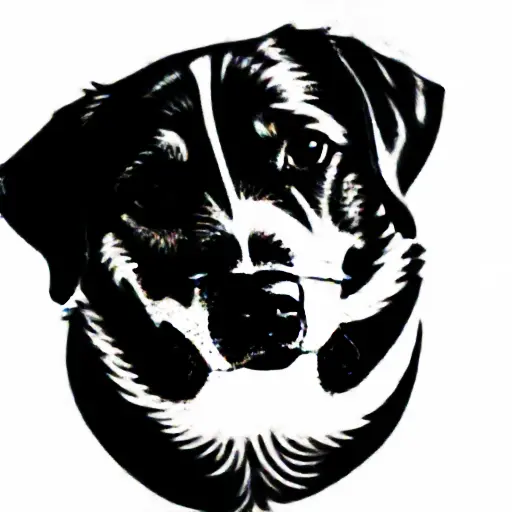
https://diffusionillusions.com/
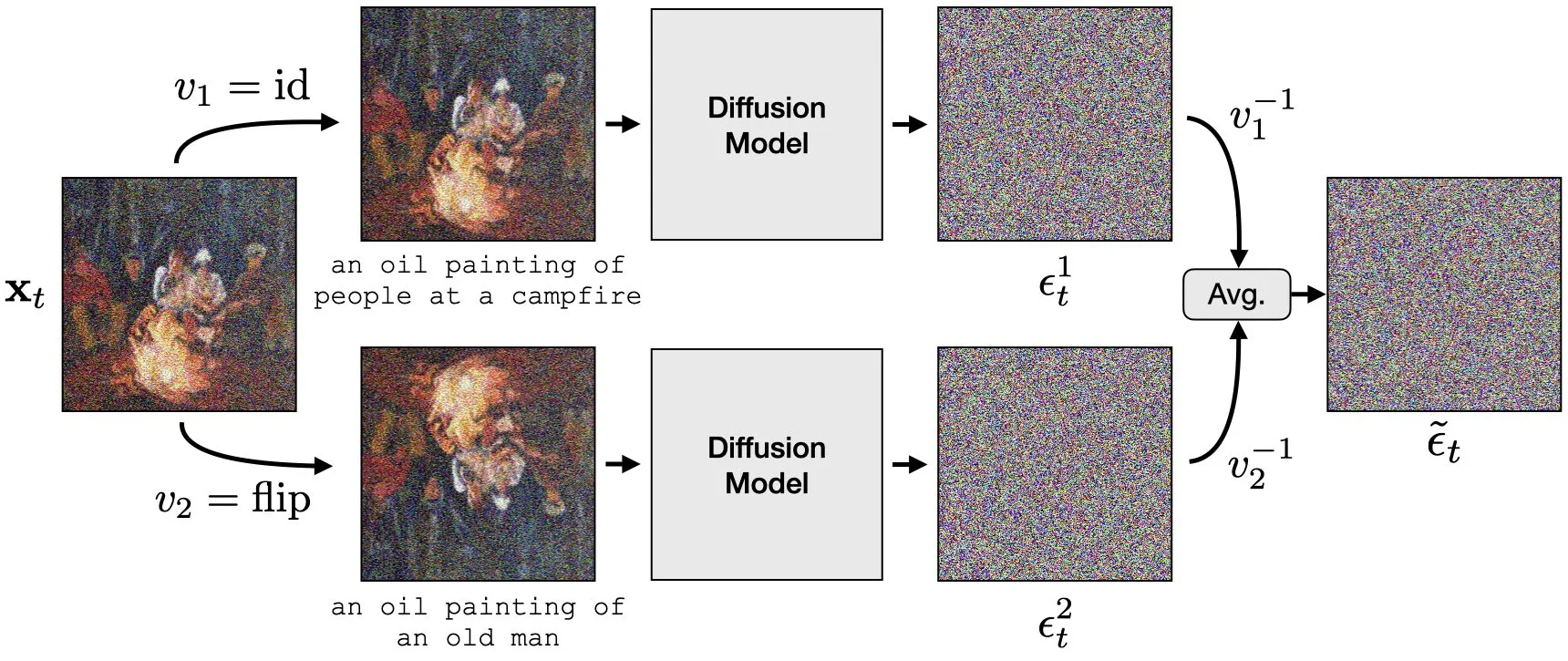
https://dangeng.github.io/visual_anagrams/
These types of illusions could be done without the help of AI. This is true of basically anything; however the skill level and time required to create them meant they could only be a rarity. (This is also the reason why AI and dumb memes are a match made in heaven: spending 8 to 12 hours to illustrate a funny joke does not match the brevity of humour).
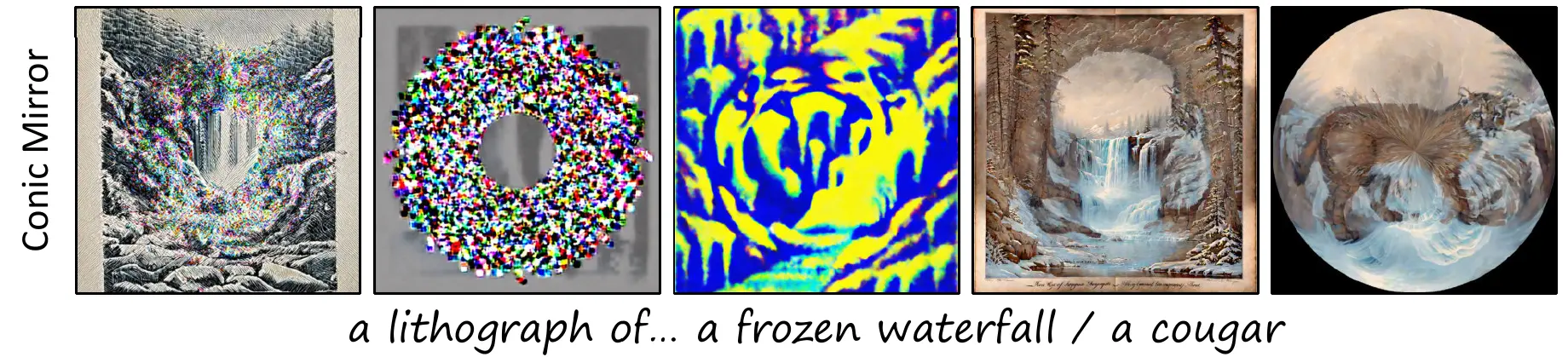
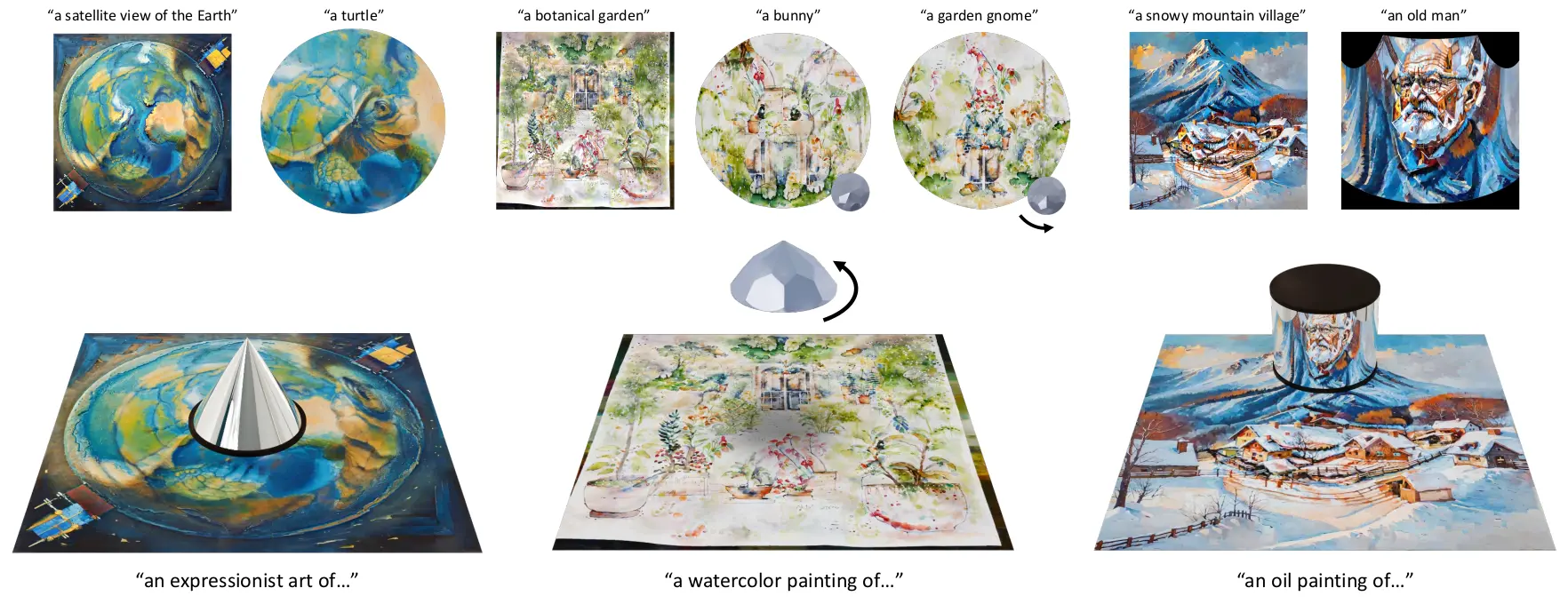
Anamorphoses
Another type of mathematically constrained drawing that is really time-consuming. The only downsides is that the results needs to be in physical space to be fully appreciated; and you need a specific mirror to see the results.
Img2Img
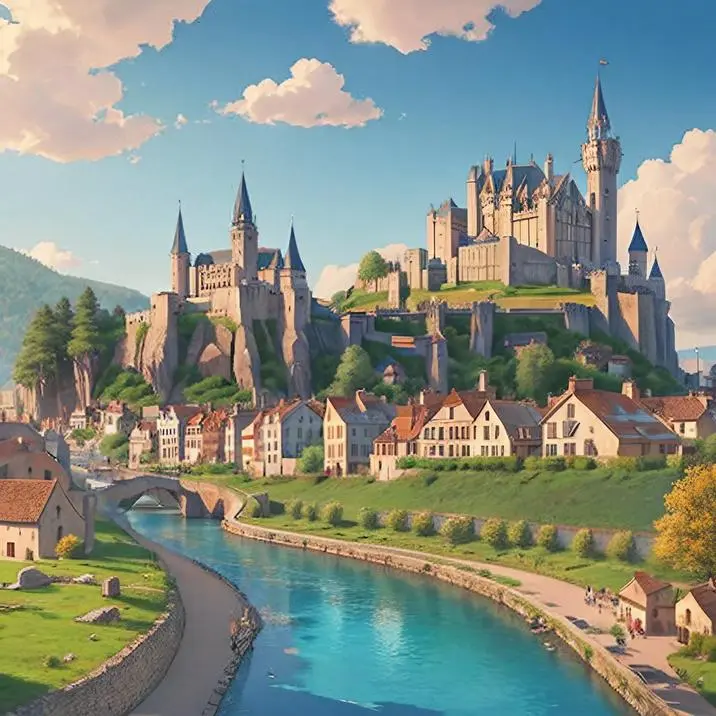
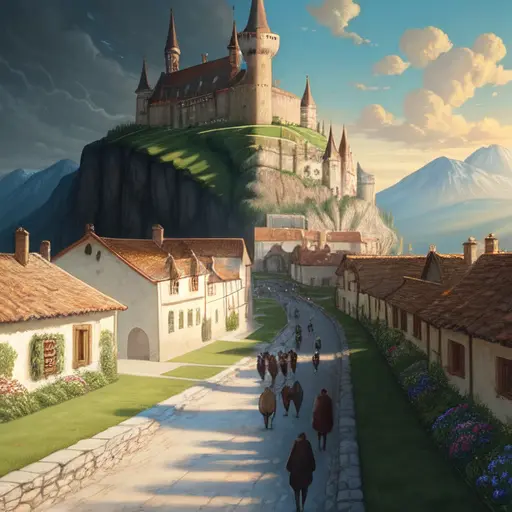
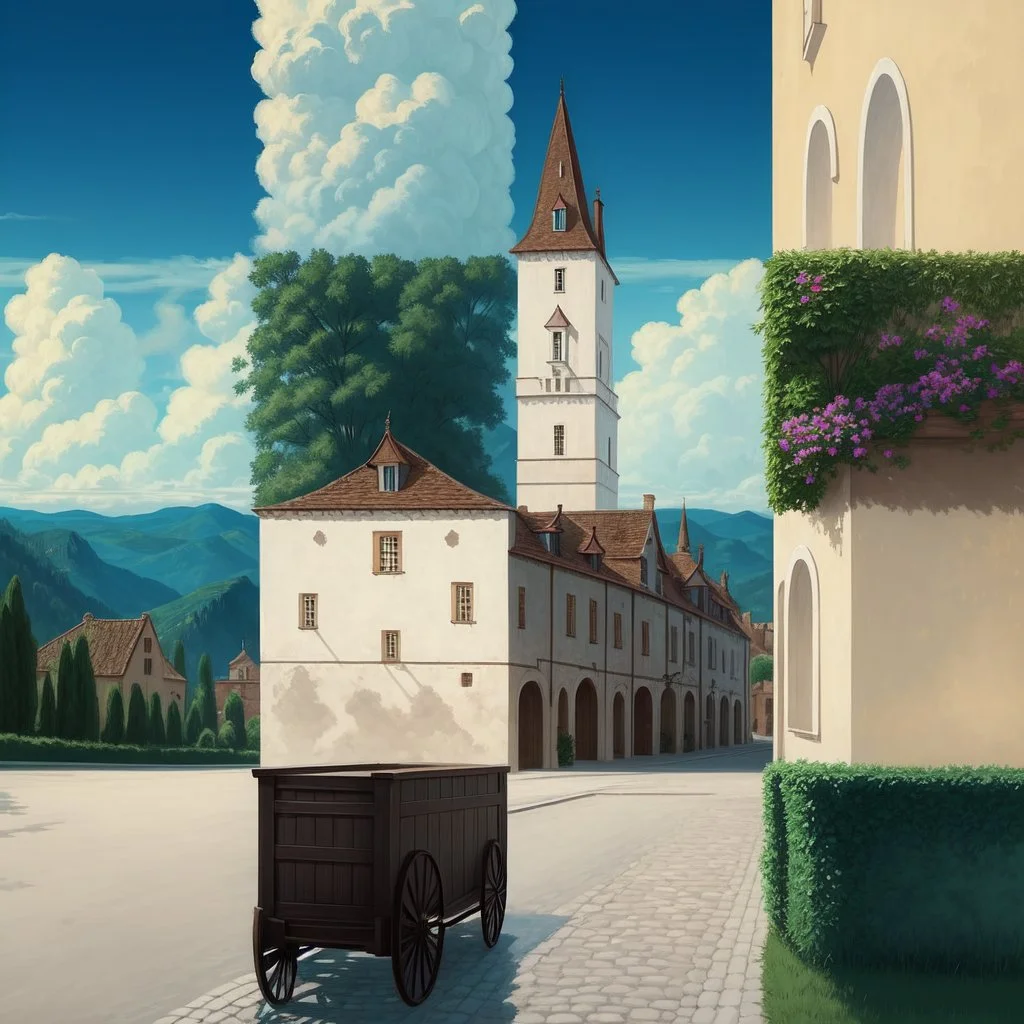
The principle is simple: take a mask, and use it to generate an image.
It can be used to create an image with a hidden meaning, or a hidden message.
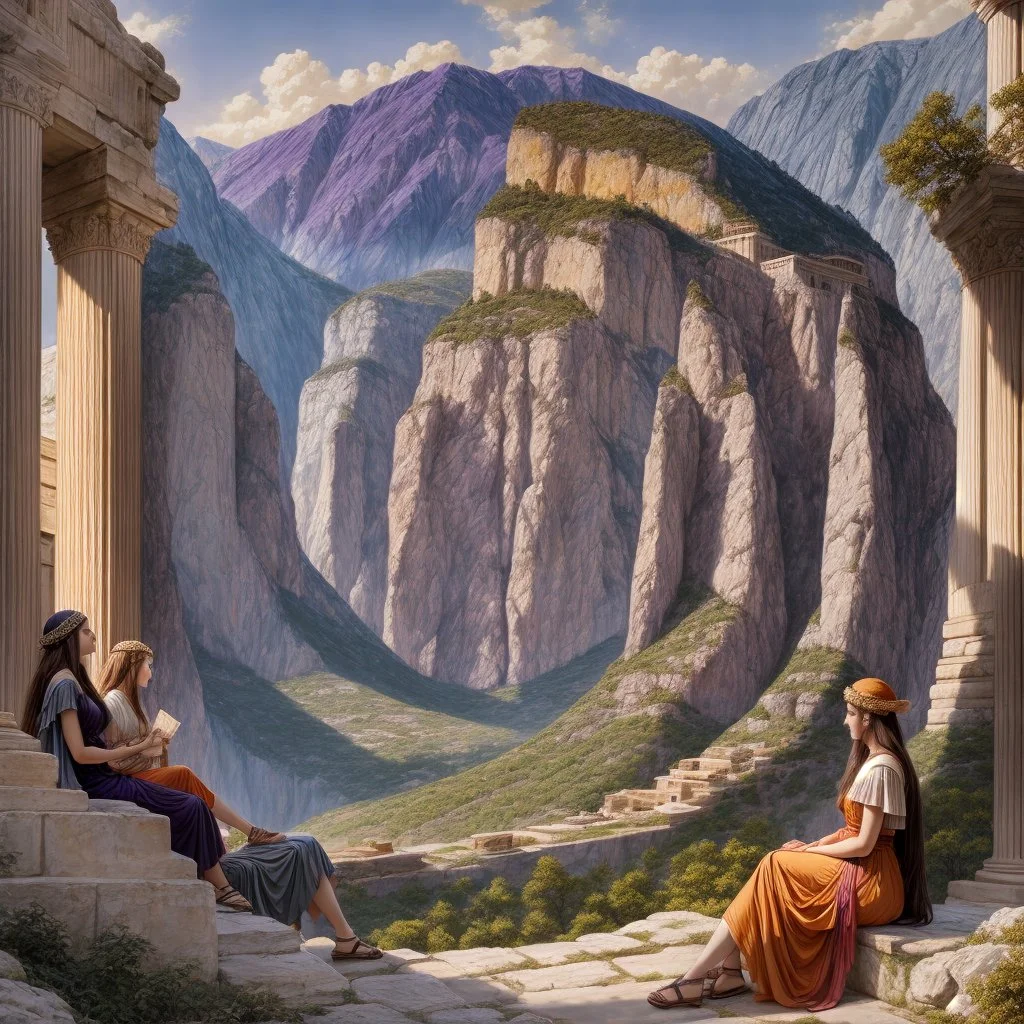
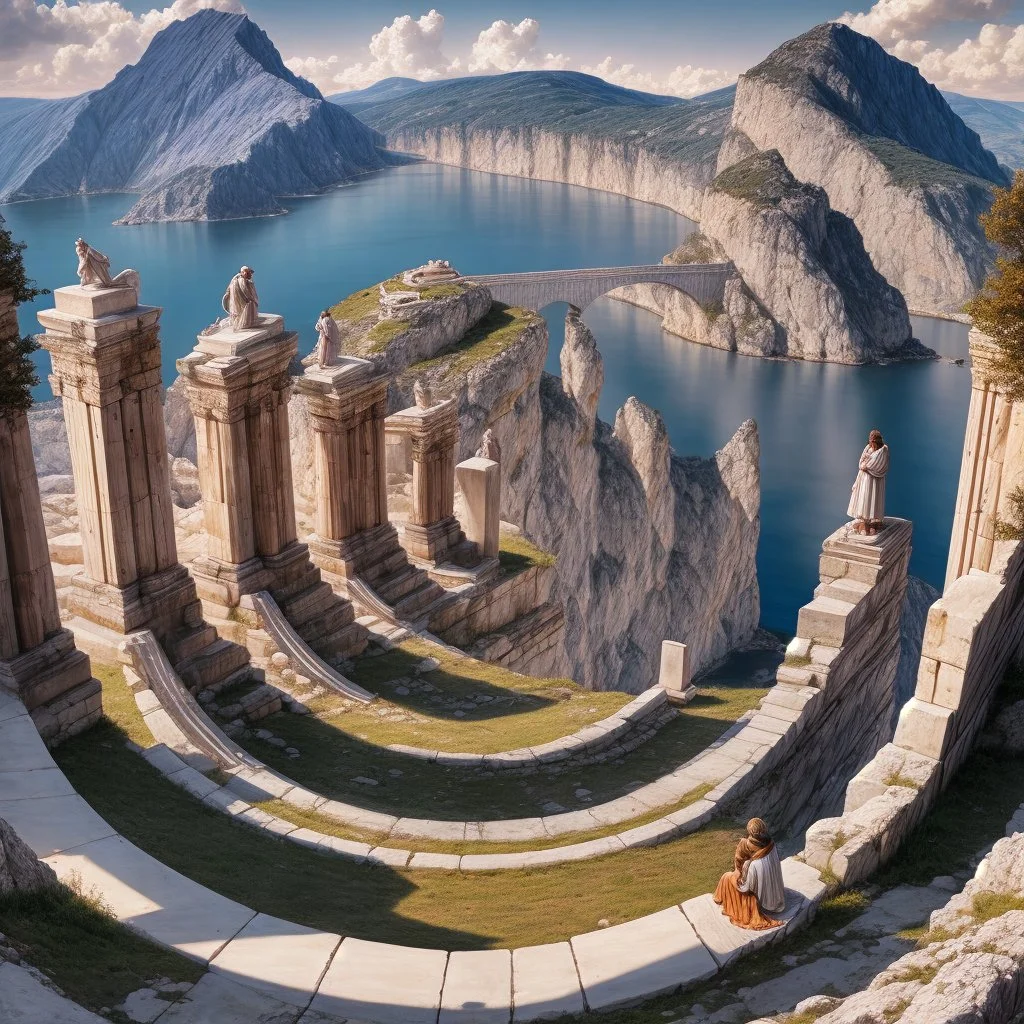
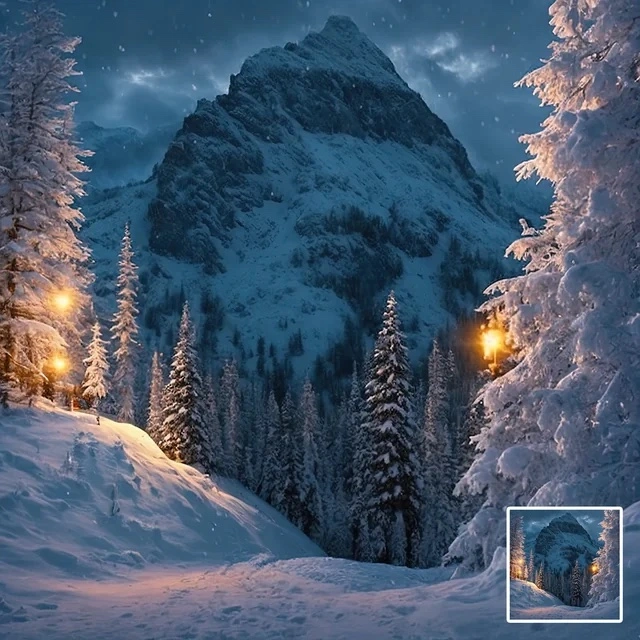
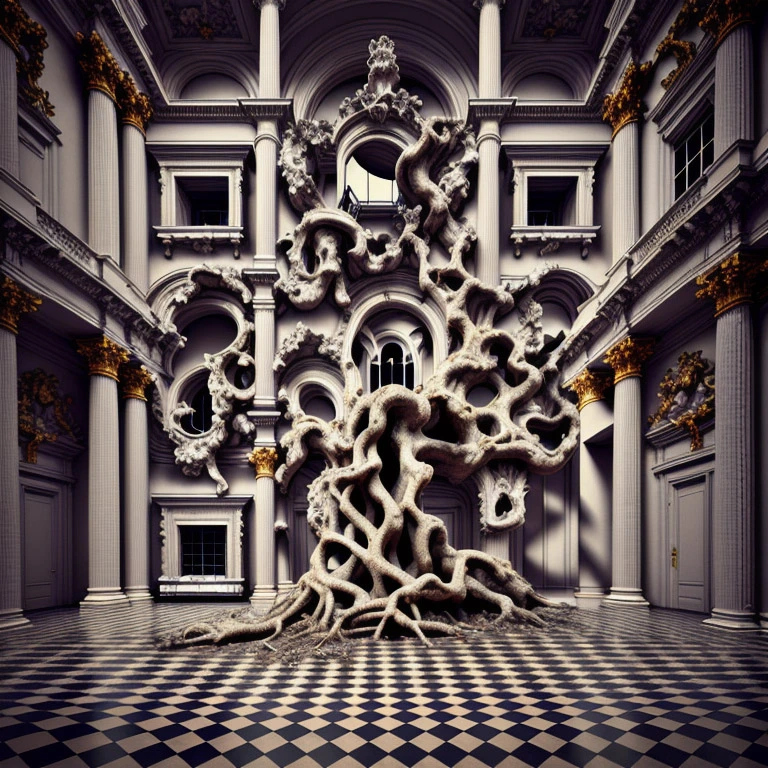
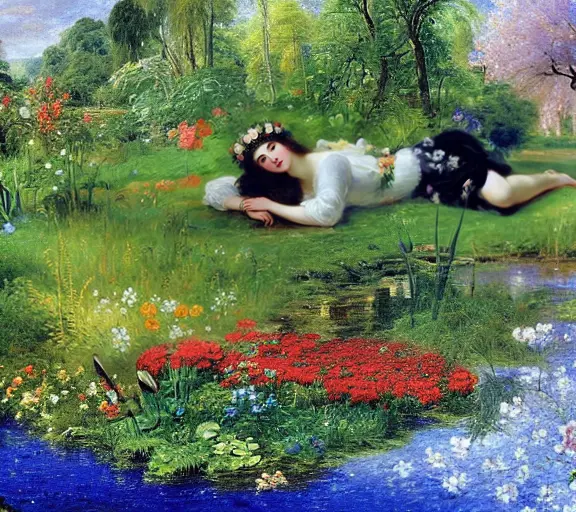
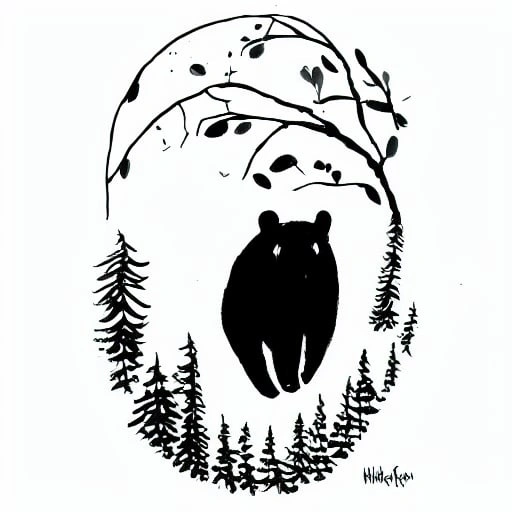
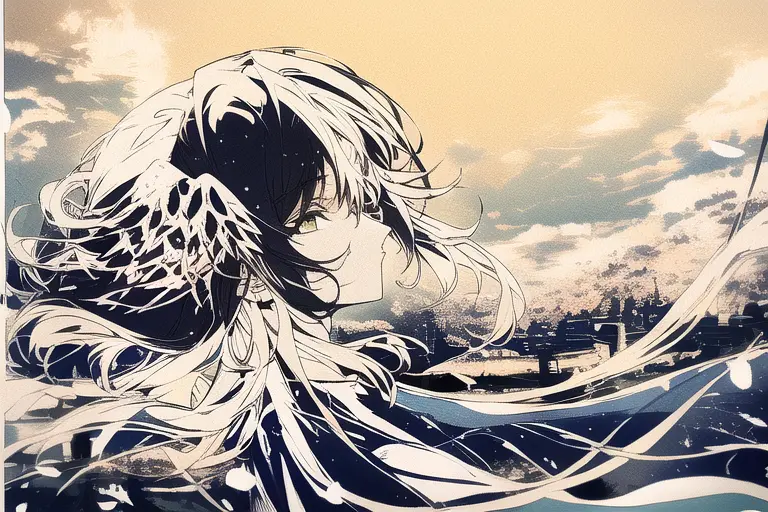
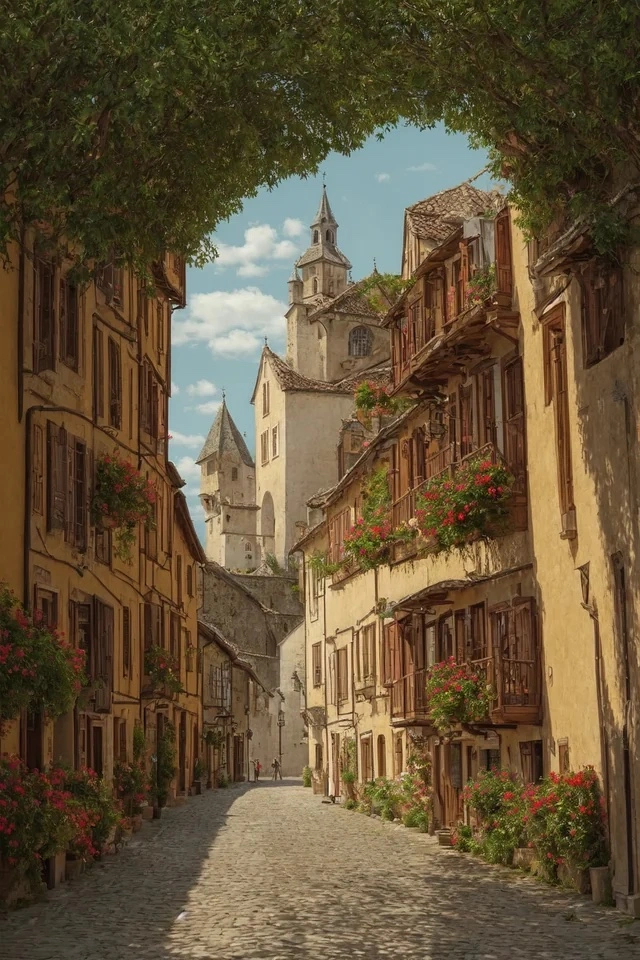
img2tiles
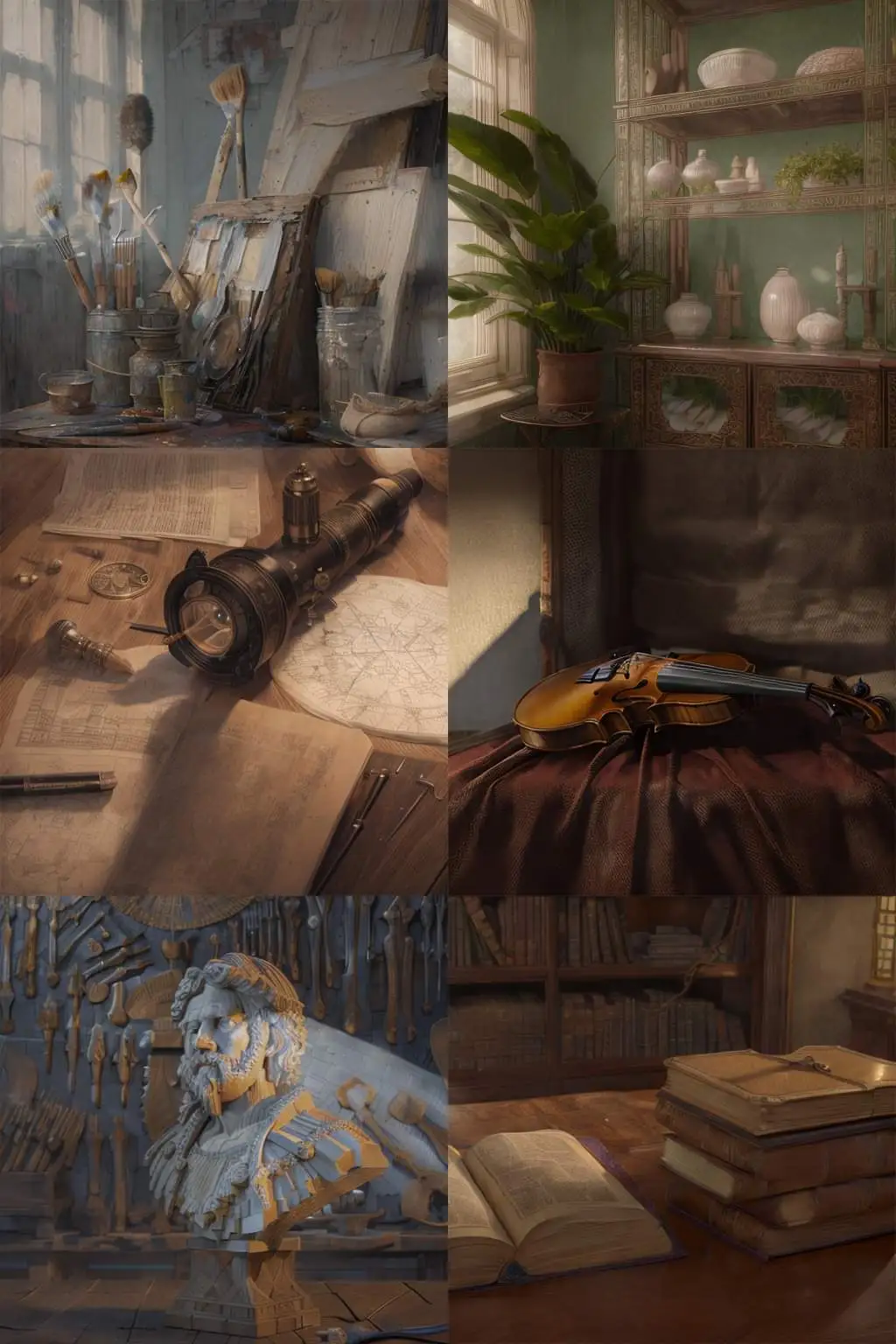
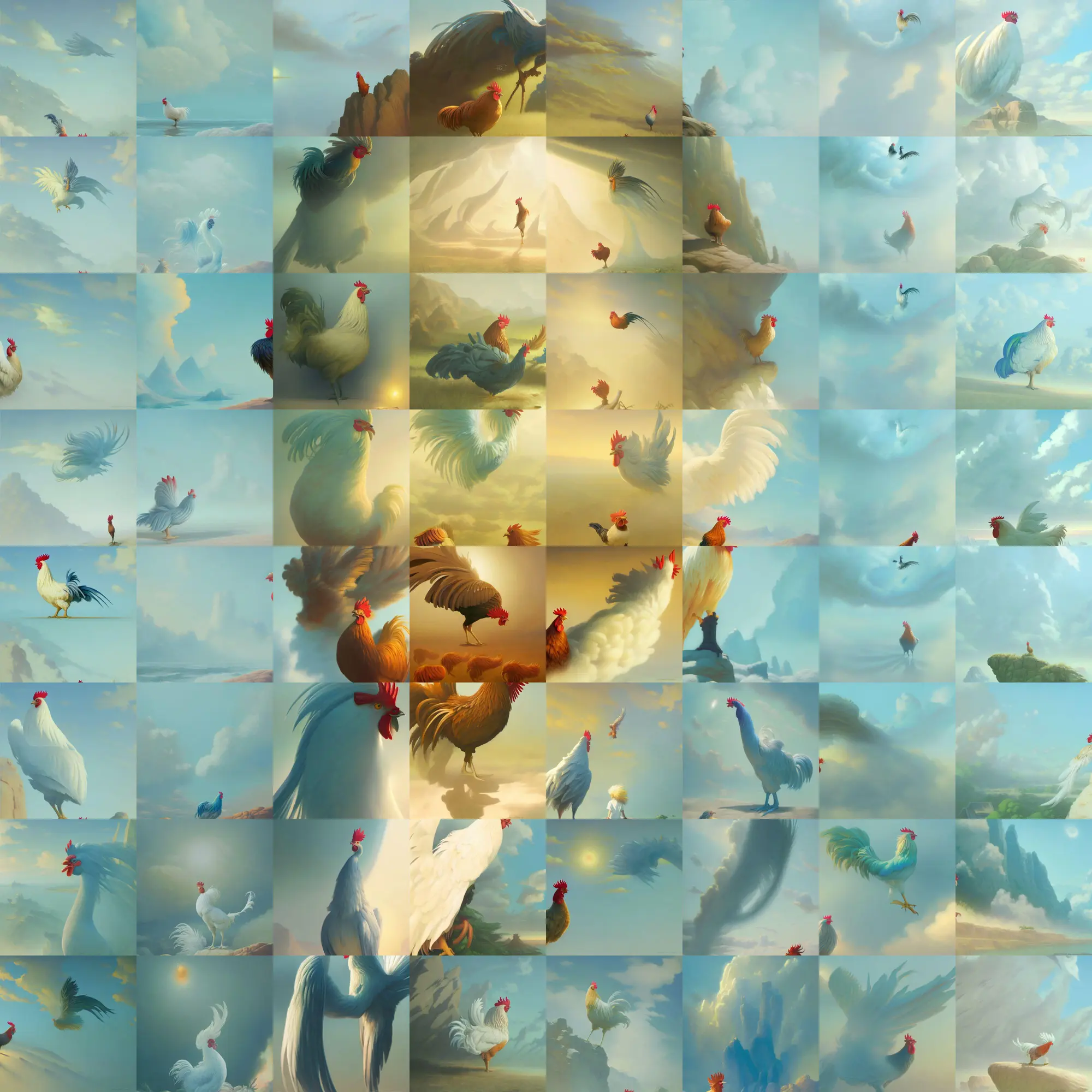
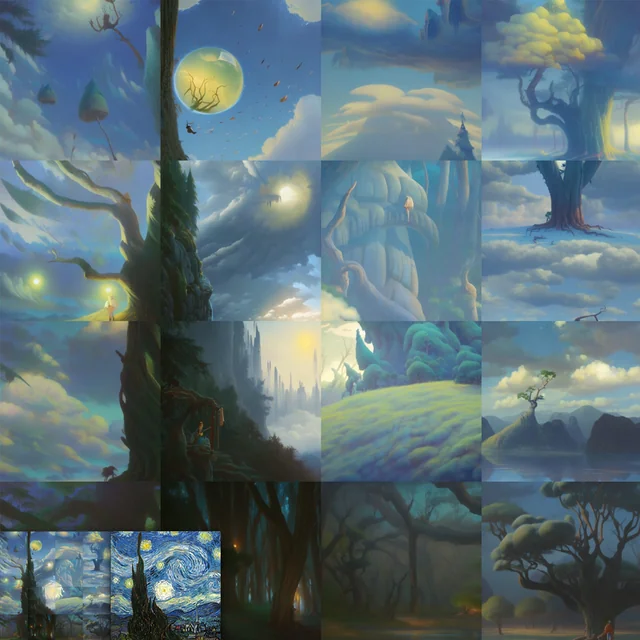
Typographic iconicity
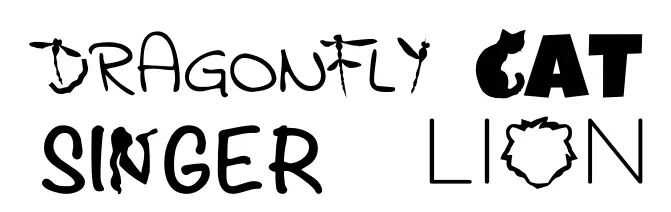
https://wordasimage.github.io/Word-As-Image-Page/
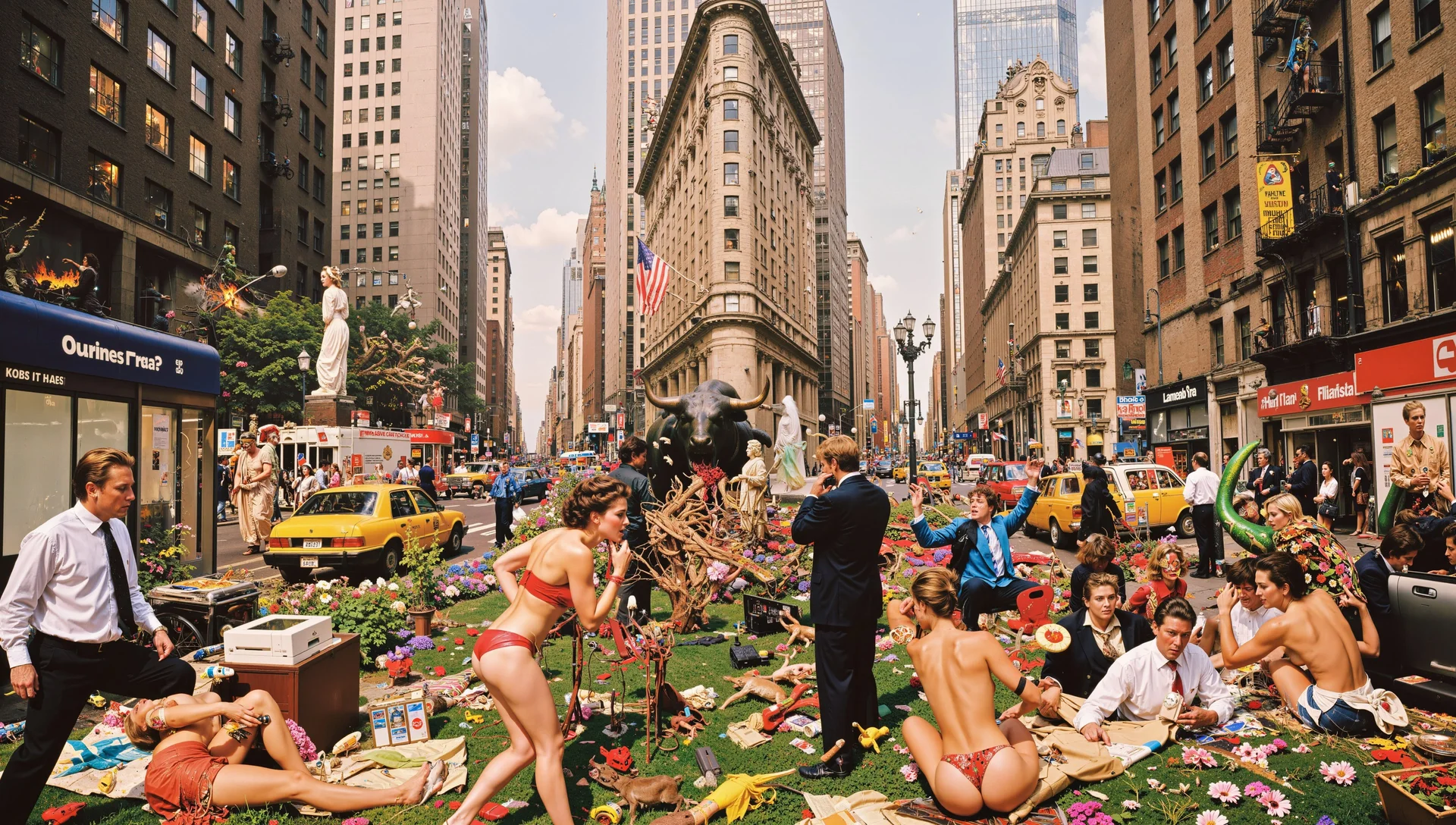
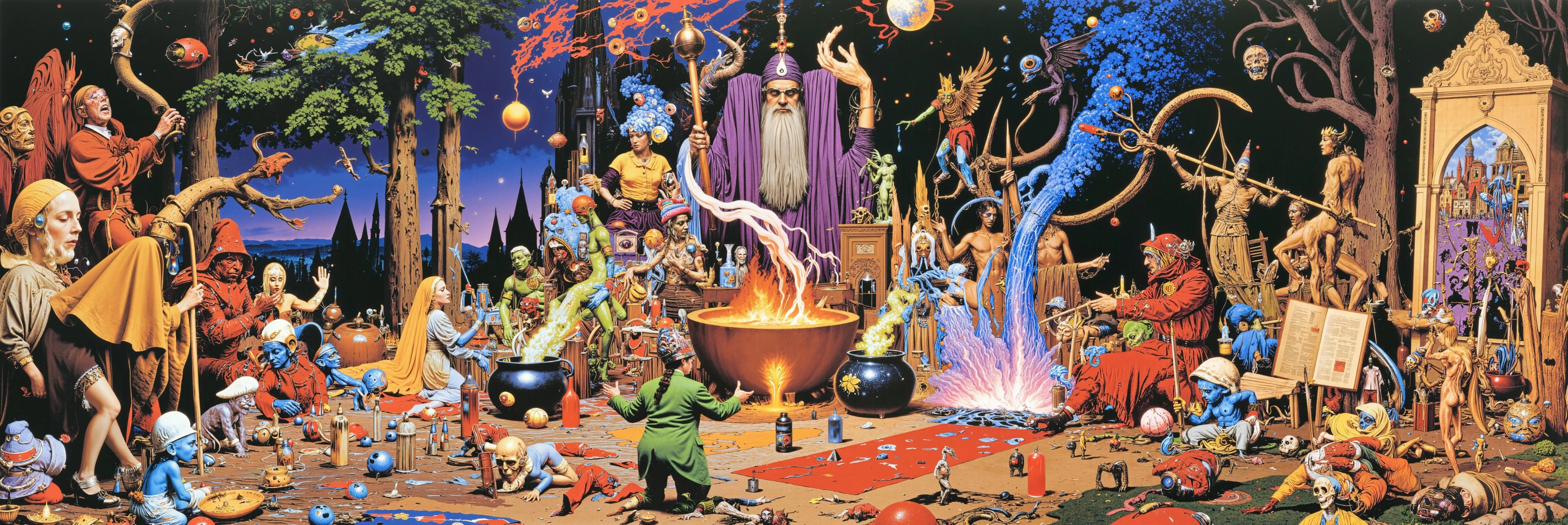
Surrealist collages
I would argue that the following are the logical artistic development of contemporary surrealist collages. Artists like Warhol and others explored the commercial use of art, through ready-mades (regular objects put into artistic context), the use of advertising styles into their art, or even work for advertisement as an art form. Tool of the time, discourse of the time. You may not like the time :-)
AI-driven artwork
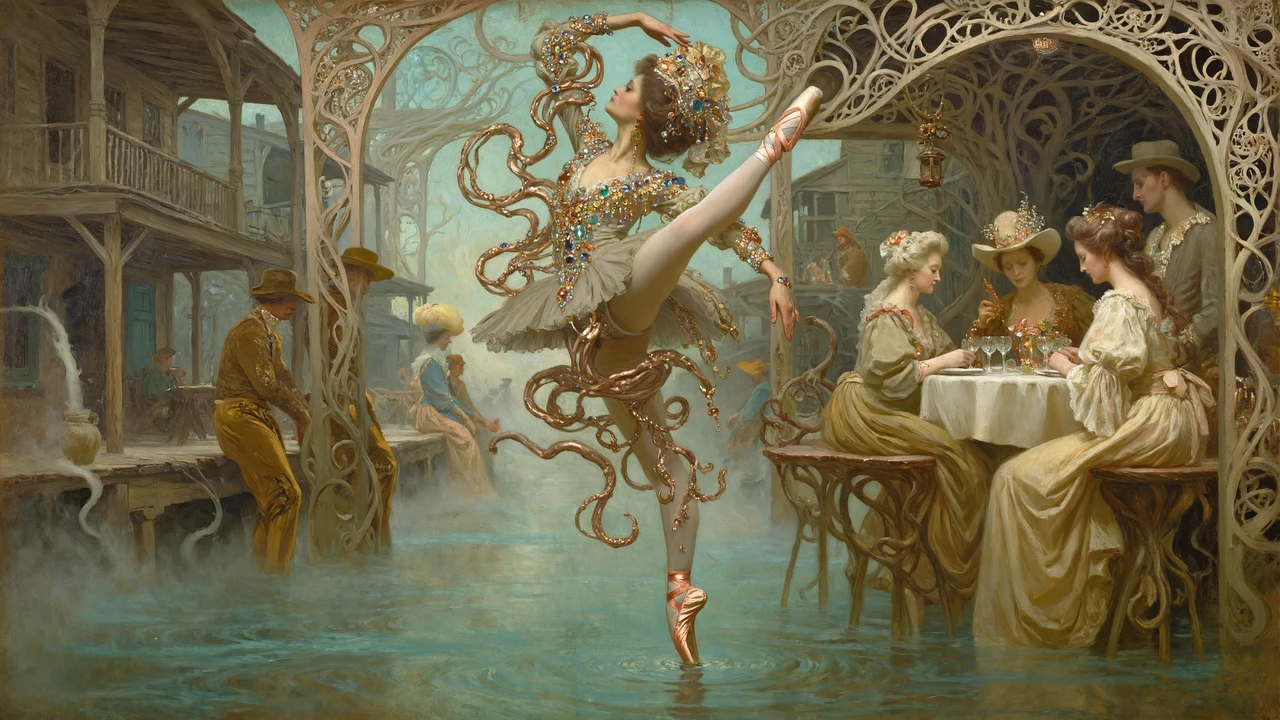
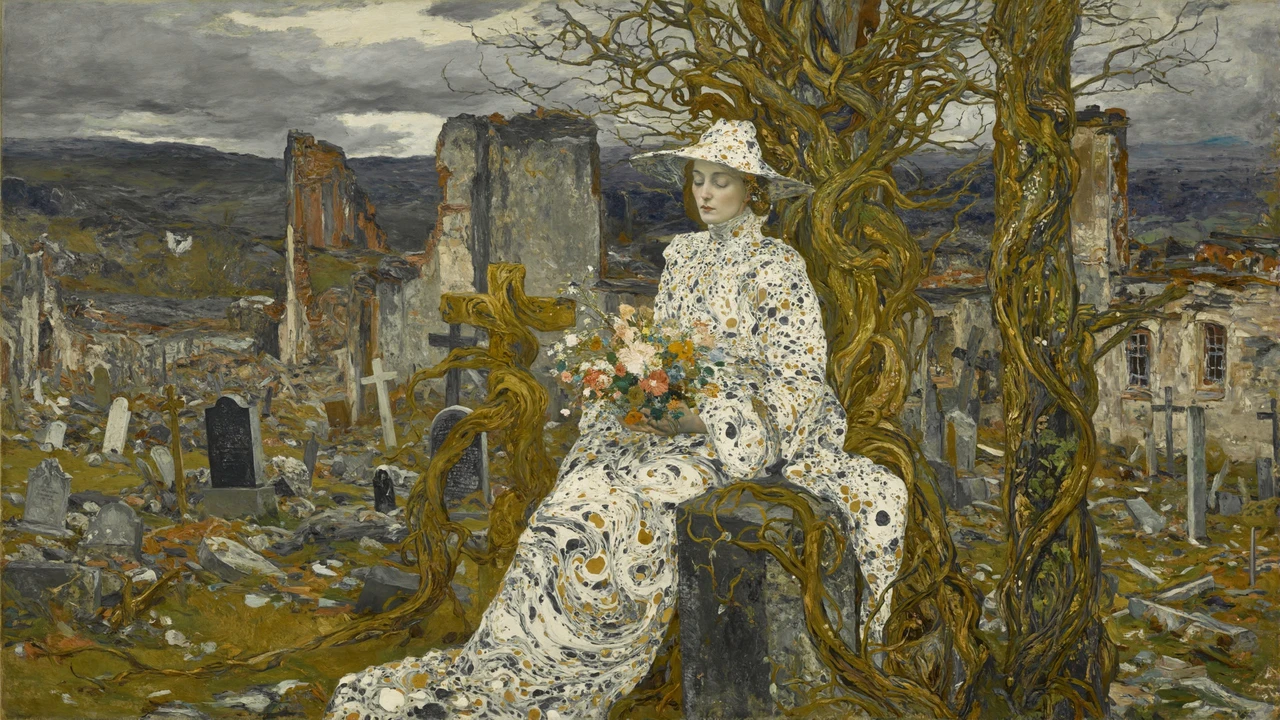
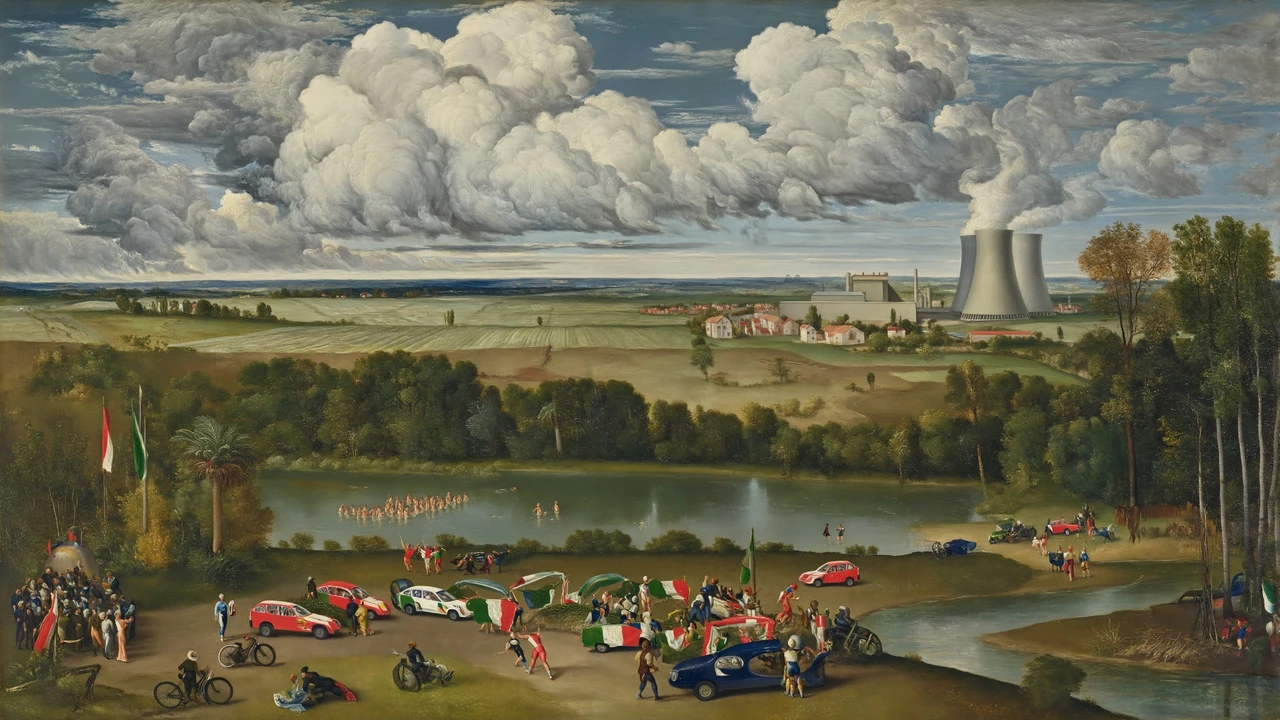
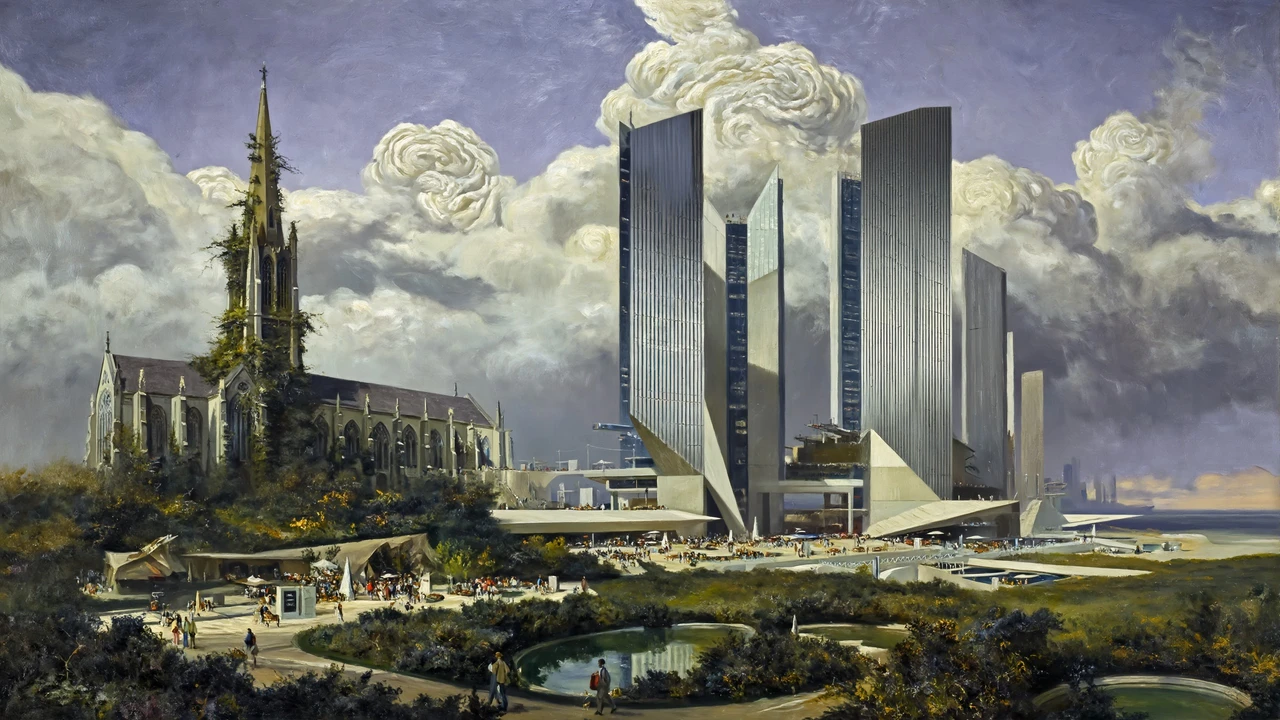
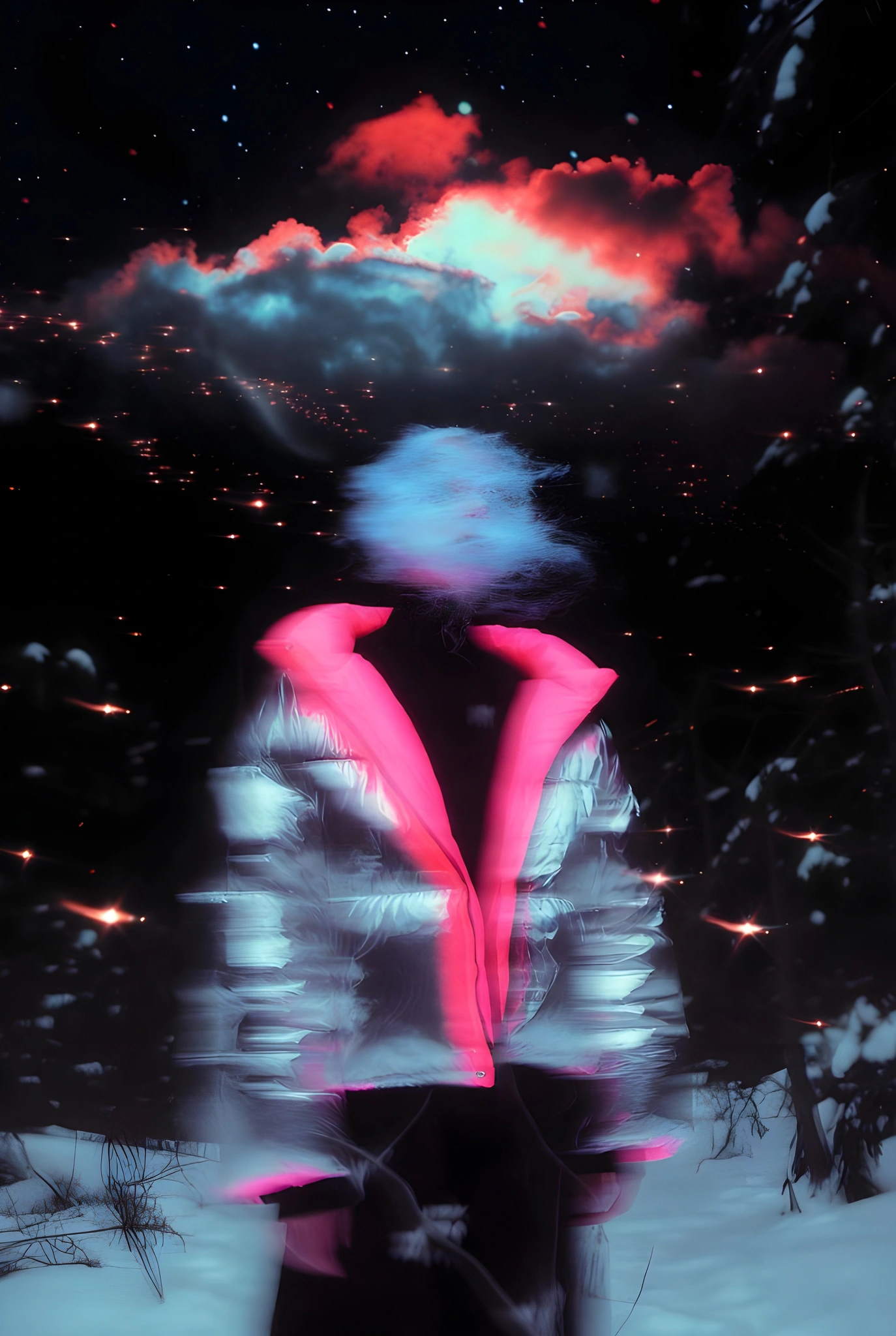
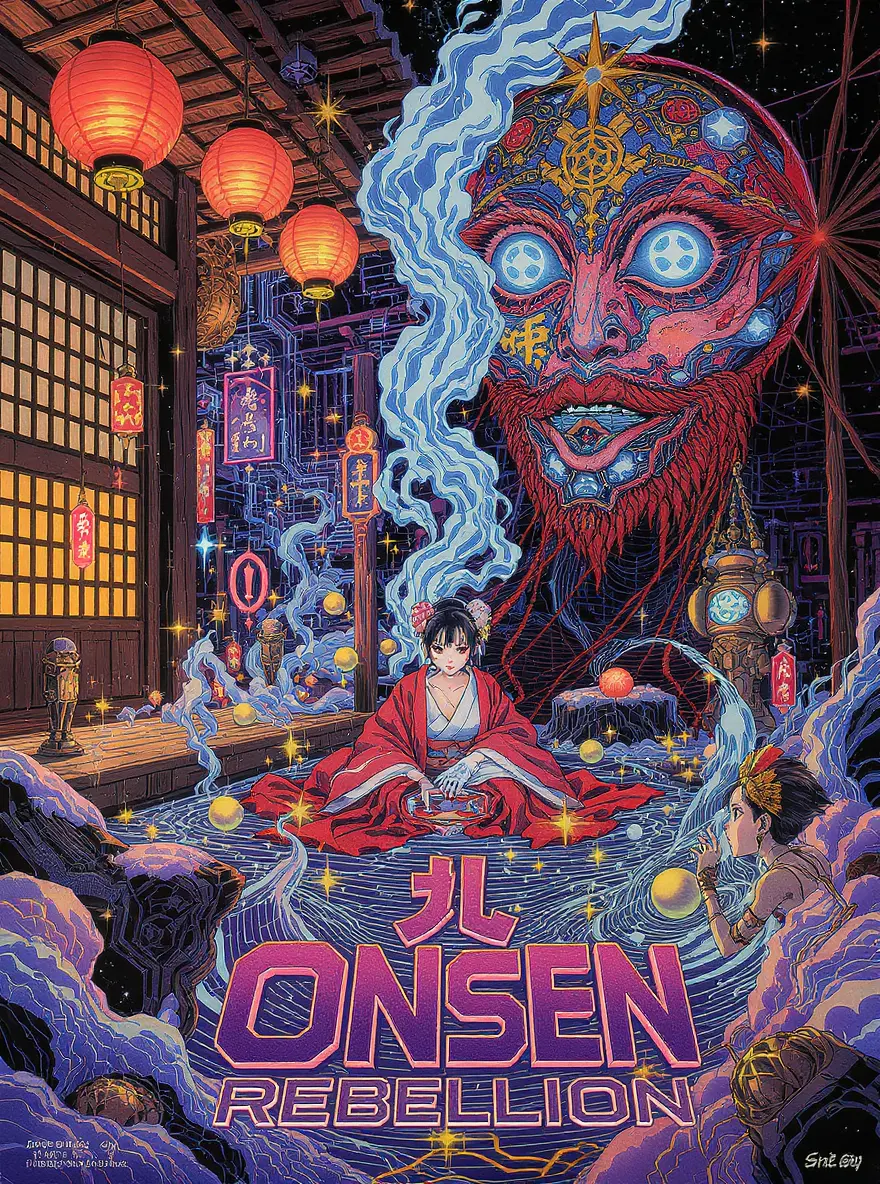
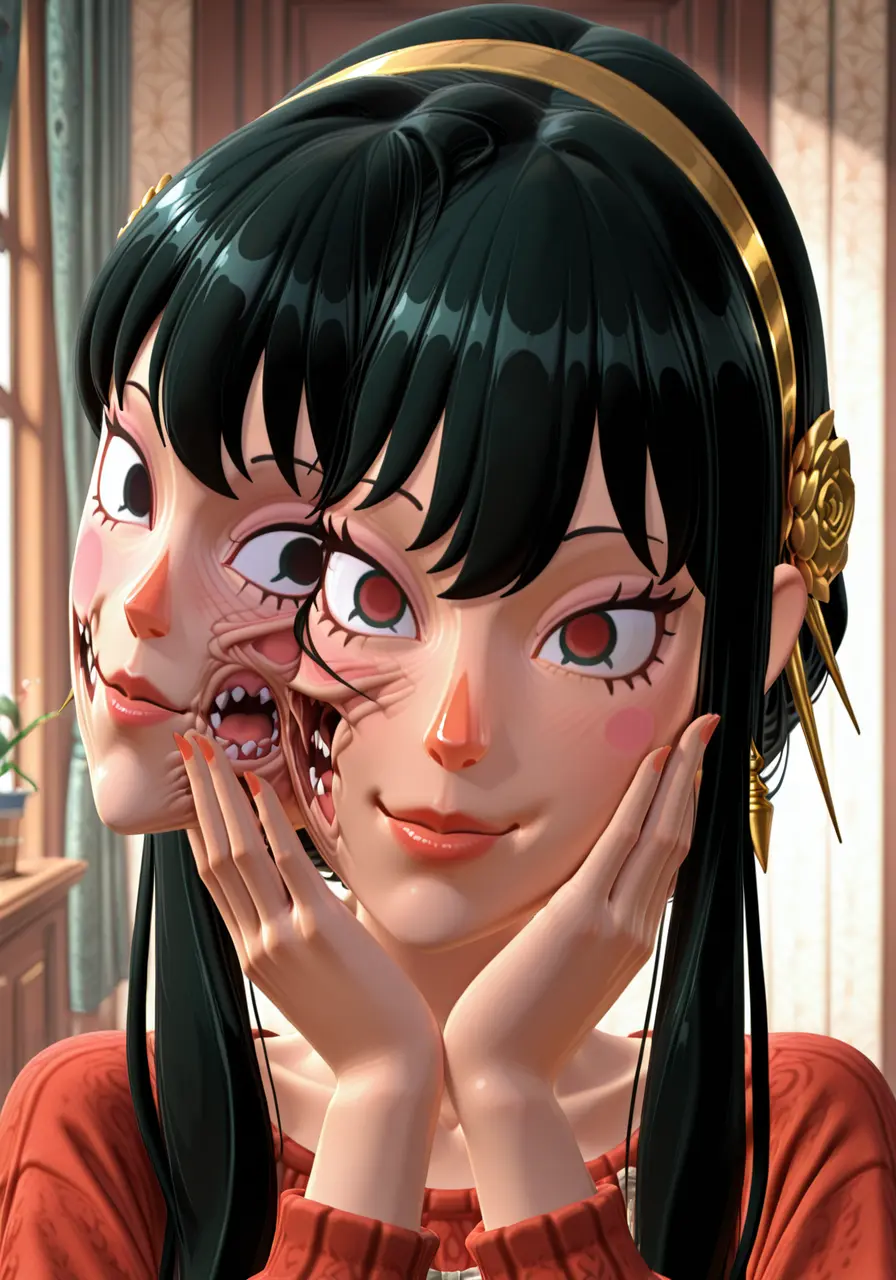
Sometimes you just need to embrace the weird.
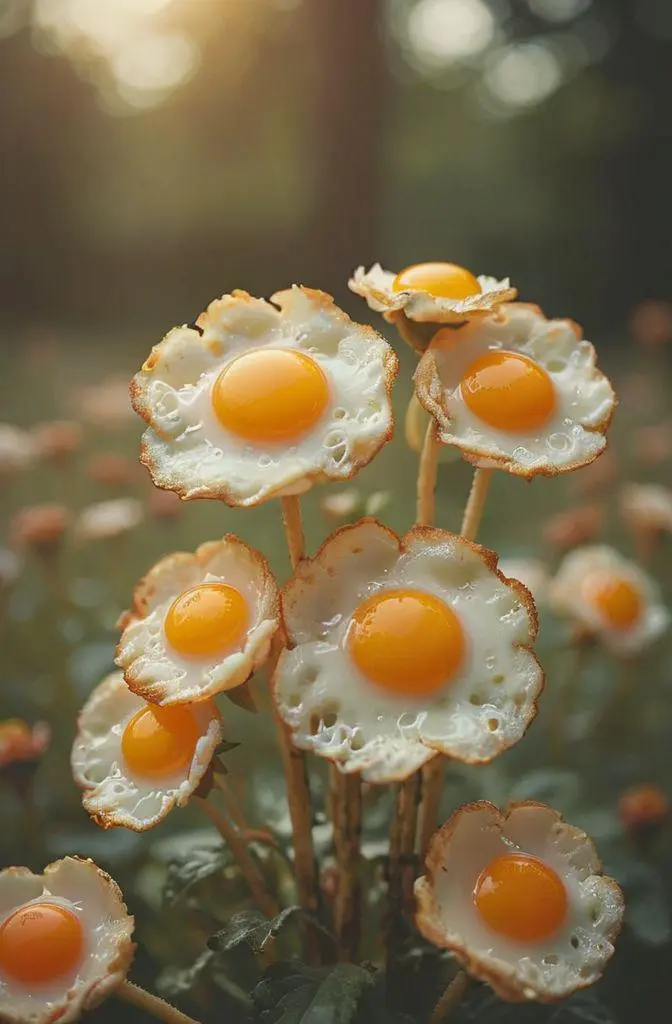
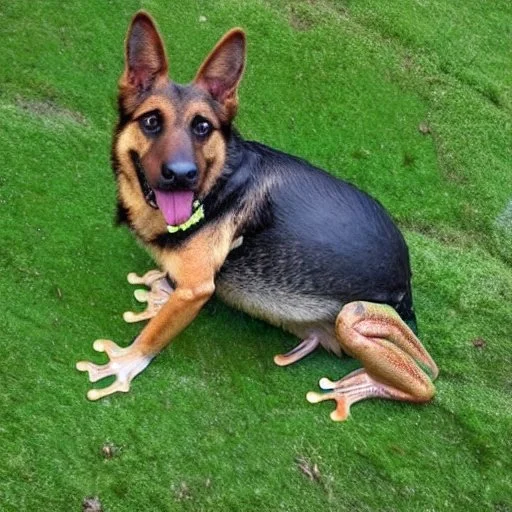
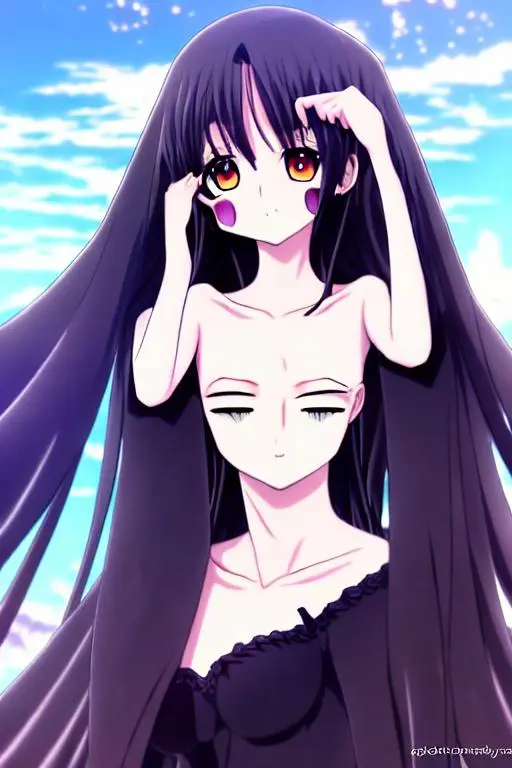
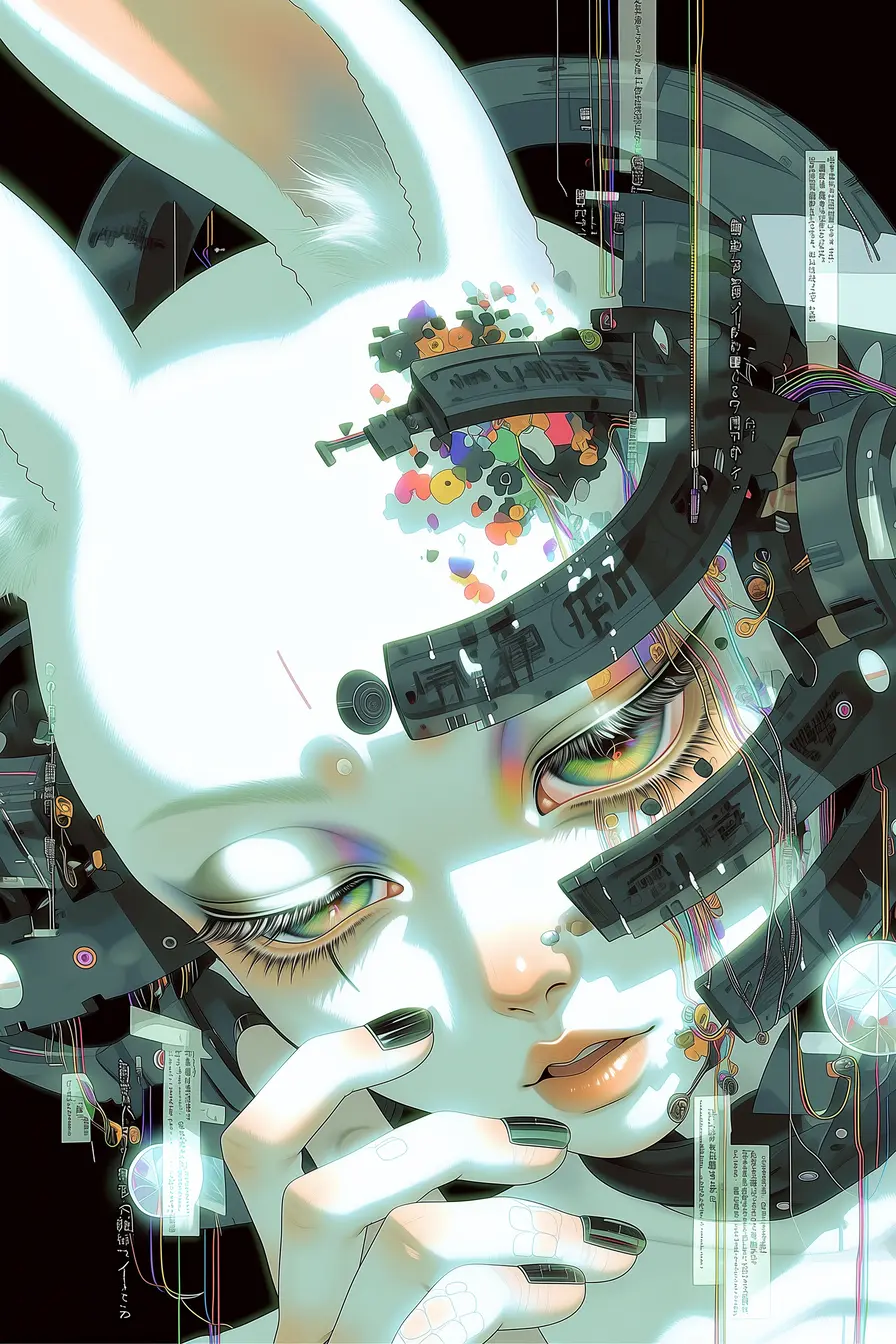
The tools given by ControlNet, Loras, etc., are extremely different from what would be considered an artistic tool, even if we accept digital painting and software as fully integrated into the medium. However, it is undeniable that achieving such results require at least the same level of effort as photography. It is my knowledge that photography is an accepted art form.
Grey area
There are some ‘new styles invented by AI’ posts that I don’t think really qualify. They generally are not really novel, and would generally become very tiring to look at very fast. This particular example that went viral is a prime example; it creates a fascinating impression because the nice colors and pixel art move in a way that is quite strange, evoking a dream-like feeling.
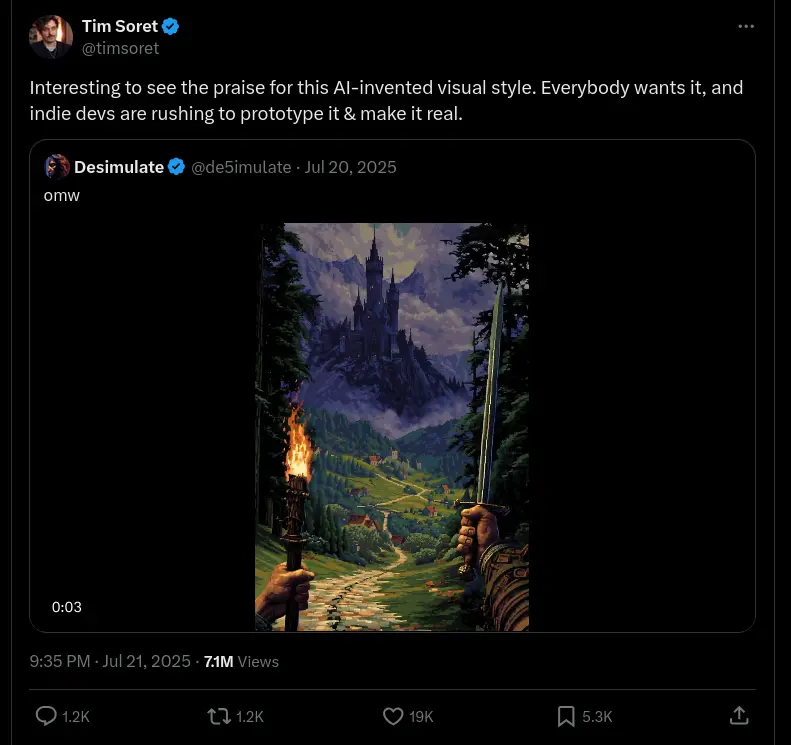 Tim Soret
Interesting to see the praise for this AI-invented visual style. Everybody wants it, and indie devs are rushing to prototype it & make it real.
https://x.com/timsoret/status/1947379899242623044
Reviving abandoned art styles
Another use is to have AI generate images in styles that have been abandoned. In theory, that would automatically be discarded as it is the regurgitation of existing stuff. In practice, it is a bit more nuanced than that, as it gives the opportunity for indie creators to apply old styles in new ways.
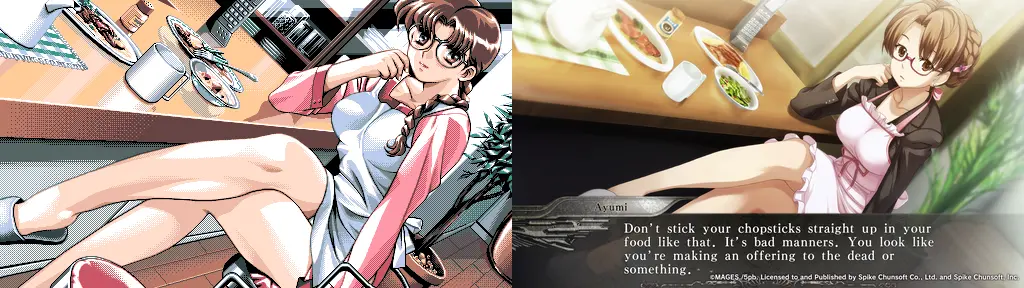
The industry and fashion dictate what style the best artists of the time are working with. For instance, a lot of great artists who worked in traditional media switched to digital because that made the process faster. Old anime is very different from modern anime, and there is virtually no one willing to engage with this style. There is nothing preventing that besides financial incentives.
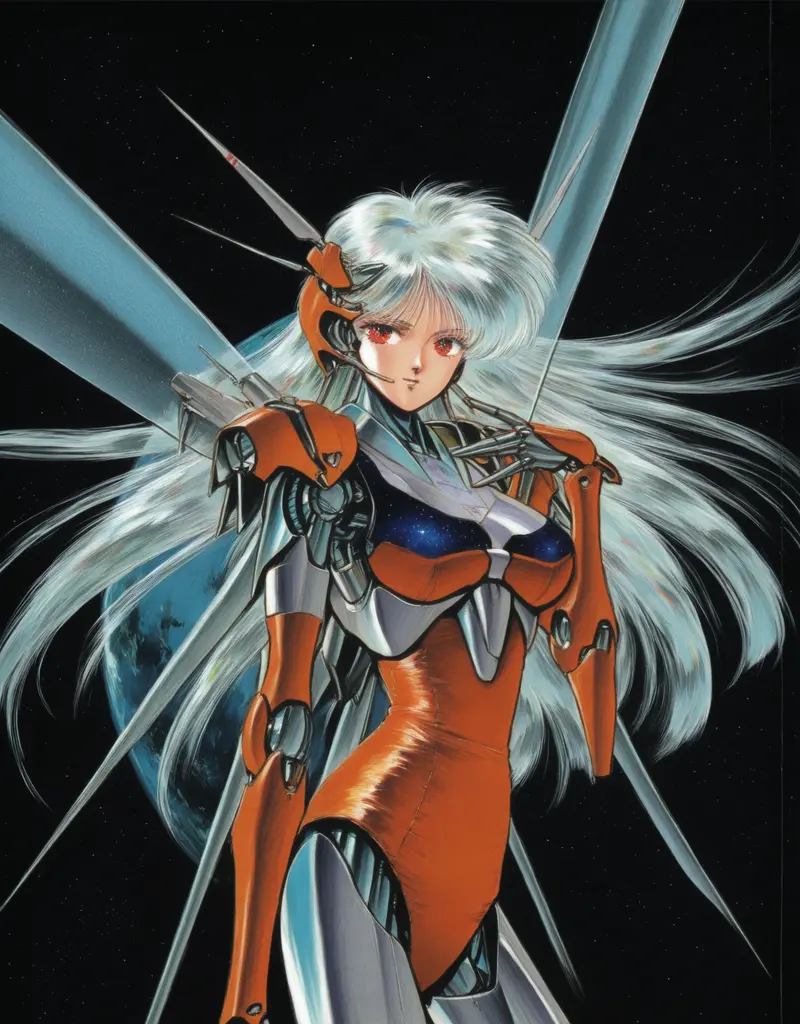
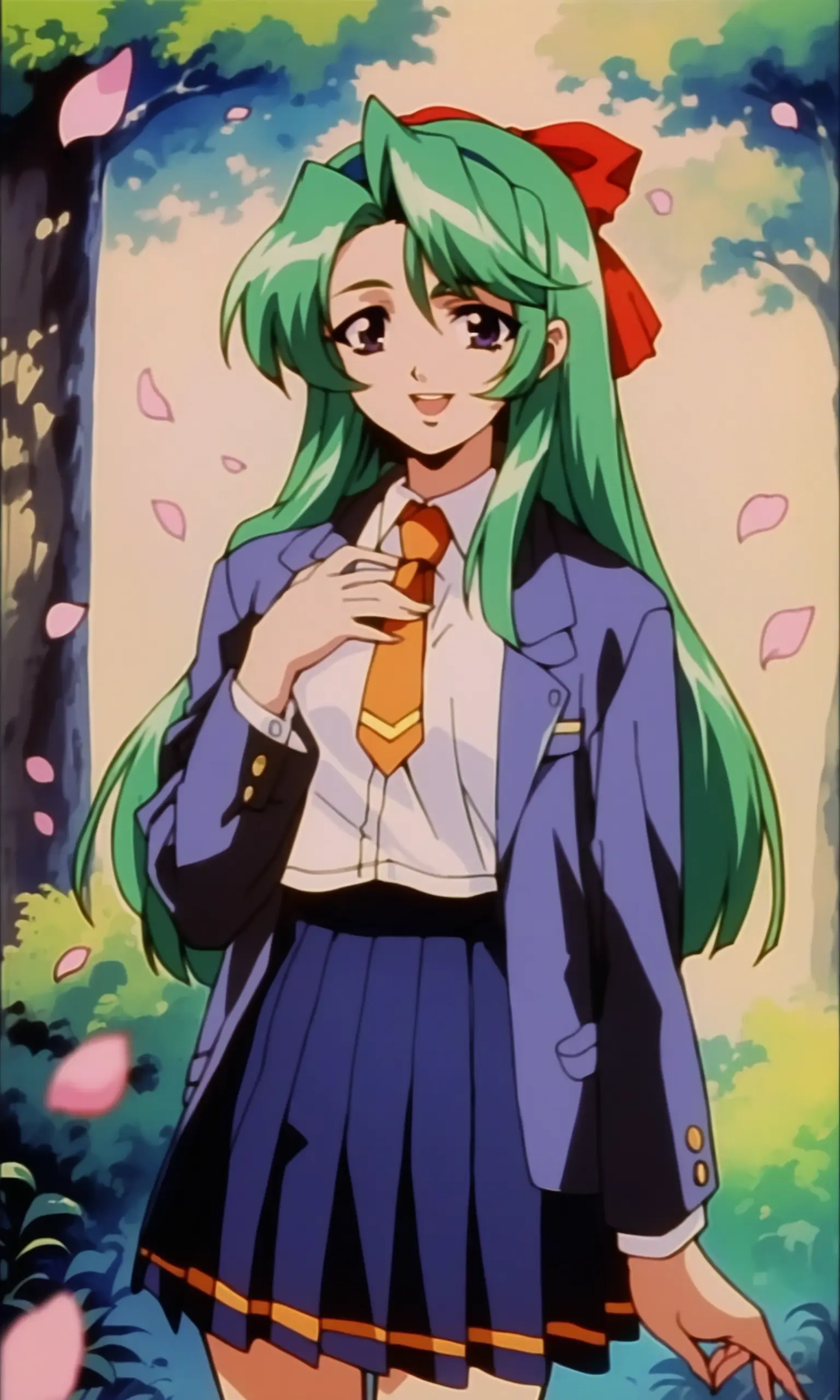
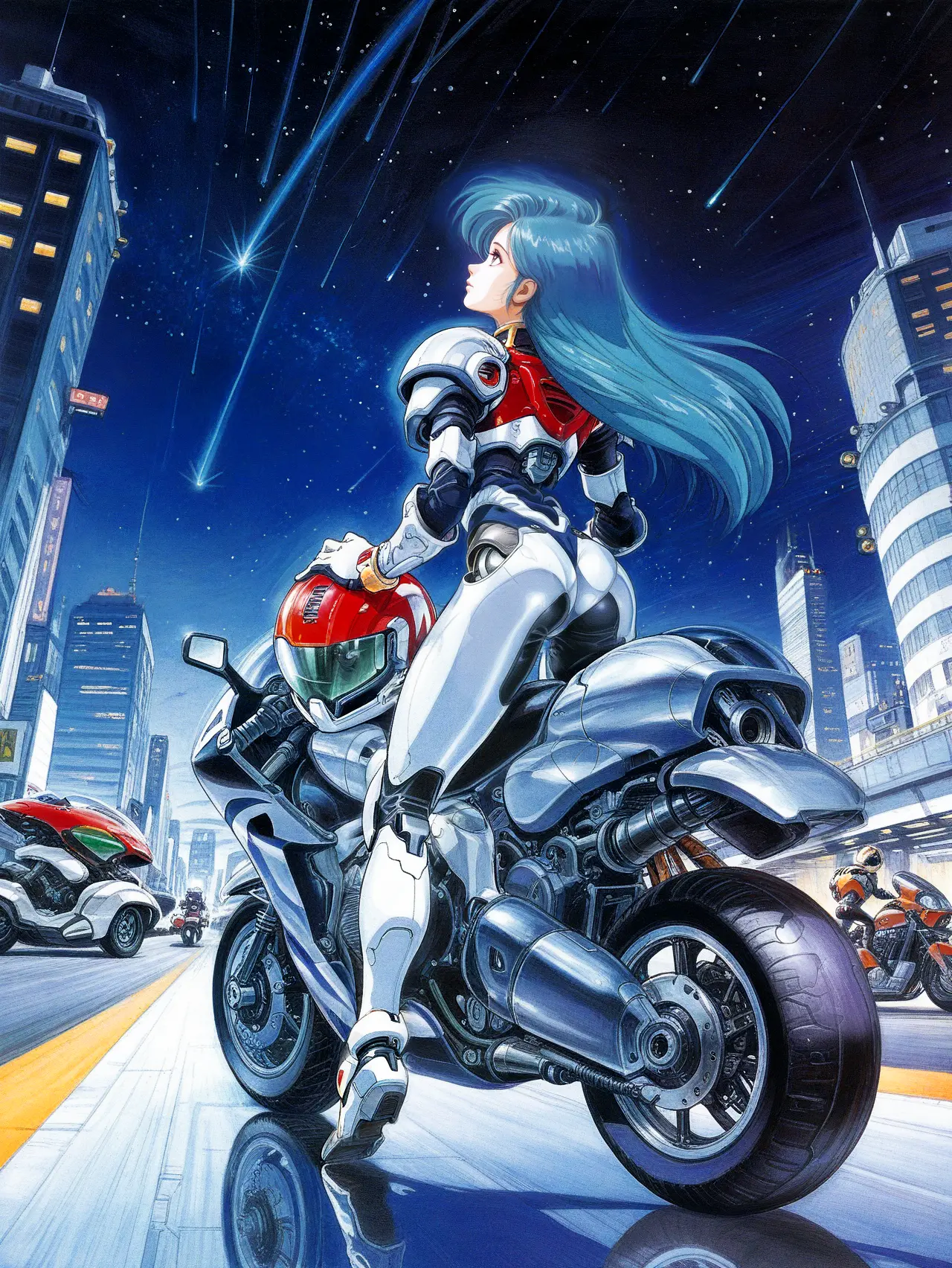
And no, the AI stuff is not the real deal. If you’re unhappy about it, let’s collectively create a fund to enslave Masamune Shirow and force him to create stuff of the quality of his prime work.
Pixel cycling on pixel art backgrounds
Another technical feat that elevates beautiful pixel scenery. Check this link for more of the state of the human art: https://blog.prototypr.io/color-cycling-in-pixel-art-c8f20e61b4c4
This one is quite iffy. ‘True’ pixel art is about pixel perfection; every single dot being intentional. But without AI, this nice loop would just not exist.
What AI creativity is NOT
There are many claims of “AI creativity” that are literally just pushing for the industrial production of slop. Here’s the best example I found in the wild, by unlucky chance:
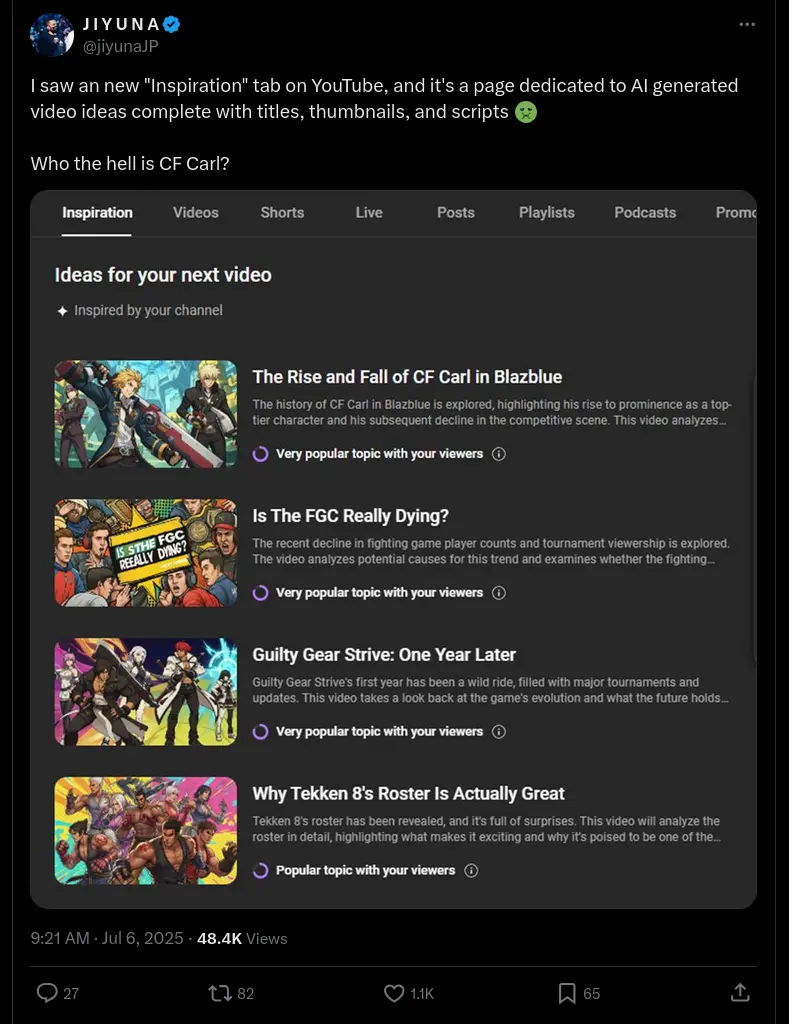
I saw a new “Inspiration” tab on YouTube, and it’s a page dedicated to AI generated video ideas complete with titles, thumbnails, and scripts 🤢
https://x.com/jiyunaJP/status/1941759383567990822
And another one, that was recommended for “artists” (whether truly or as ragebait is a matter of opinion):
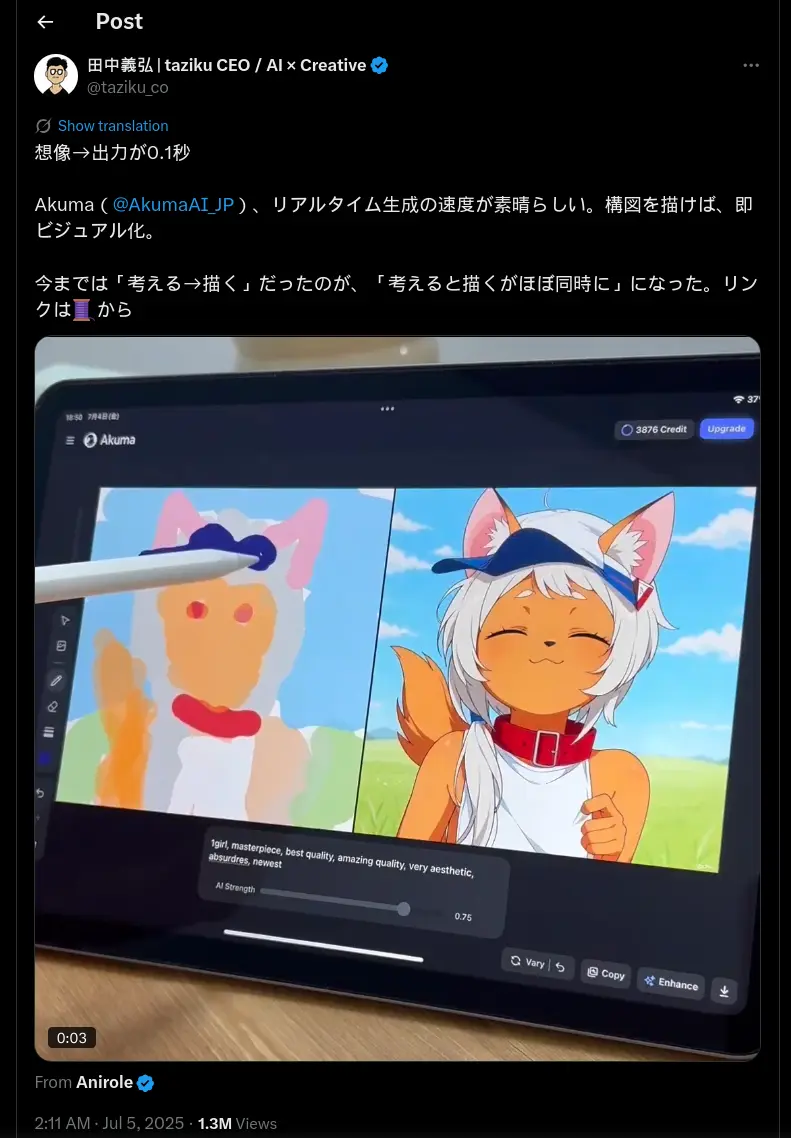
Imagination → Output in 0.1 seconds The speed of real-time generation is impressive. Draw a composition, and it’s instantly visualized. Until now, it was “think → draw,” but now it’s “think and draw almost simultaneously.”
https://x.com/taziku_co/status/1941288764476883202
This I think is the crux of the problem. This is the opposite of what an artistic tool would be: any creativity is wiped for generic slop. While this would certainly result in something more appealing than what a beginner would come up with, it also hampers the development of a skillset. While this may not be bad in the short term, it is a glimpse into a worrying future.
That does not mean it is not possible to create something beautiful with AI; this page is clearly proof of that; but there are paths that are artistic dead ends.
In fact, my first blog post was about using AI to speed up the output for my hobby, but most tools are not suitable for that purpose yet. I’m still hopeful that this will change in the future.