my krita journey
The freedom to self-author artistic legitimacy.
Digital painting is one of my havens, and Krita is its ship. But it wasn’t always like that; when I started learning drawing seriously, Photoshop was supposed to be the serious path. For me, it mostly meant a waste of time.
I was very Linux-minded, but I kept my computer as a dual-boot with Windows just so I could run Photoshop. Every drawing session started by stopping whatever I was doing, switching systems, and entering the slow and clunky world of Windows. Still, I believed Photoshop was the only serious way to learn.
Photoshop: the false god of industry standard
That belief came from real places. The Feng Zhu Design channel had the biggest influence on me at the time, and of course it was all built around professional software. I remember these times very fondly. I was working non-stop, and I would eat in front of these videos; they would be my only solace.
But I wasn’t able to do much with Photoshop. The things beginners focus on, like brushes, only made the results even more horrible when I used them. Drawing on paper was so much more fun. The reason I kept going with it is that I saw the price of traditional paint and knew there was no way I could afford it.
Officially approved tools: a tour in academical ignorance
During my time in art school, the profs saw my piles of drawings on printer paper, and scoffed and mocked me. “You can’t draw on anything but high-grade drawing paper” they said, with one sheet costing as much as 100 sheets of printer paper. Of course, I did not change my ways, I was only more antagonistic; even at the time, I could tell the people who were aggressive on that front had extremely limited technical ability.
Digital painting was not an option; it was a necessary technological escape from traditional stupidity. Yet, I kept it a secret, as drawing on cheap paper was a sin I could take on, but digital painting was simply unthinkable. Still, the message was the same: the right materials mattered more than the work happening in front of you; I always felt there was something very wrong with that.
Technological Shift: the mypaint gateway to fun
As this intertwined with my Linux journey, I started to look for Linux alternatives. I started with MyPaint, and the very first time I used it I was much happier than I had been with anything I’d done in any other software. The infinite canvas felt very weird, but it was not a blocker. The important thing was that drawing felt immediate again, and simply fun. I was really not good at it, but I was really enjoying my time.
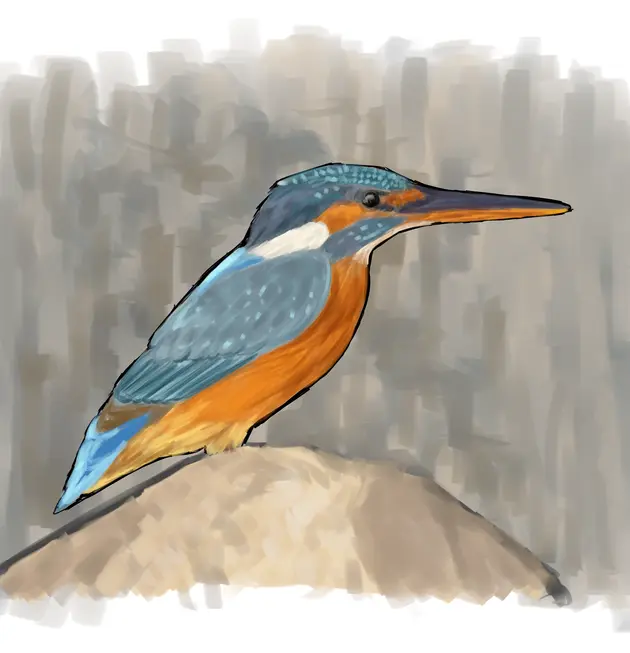
To learn, I started a comic, Leonine, which put practical needs upfront.
MyPaint still felt the best for sketching, but the lack of comic tools started to feel limiting. I developed a few workarounds, for instance a scratchpad that served as the comic’s palette, but as I became more ambitious I started doing some drawings in Krita to get perspective tools, panels, and other complex features. This unlocked major progress, and with the newfound competence I cared less about all that I had heard, fading away into background noise.
The legitimacy of practical needs
Krita was not a perfect Photoshop clone; on the contrary, Krita started as a digital painting tool rather than a generic photo editing tool. That means they did a lot of things differently, which in most cases are more direct and intuitive for my needs. Krita had its own identity, and plenty of strengths that Photoshop did not have.
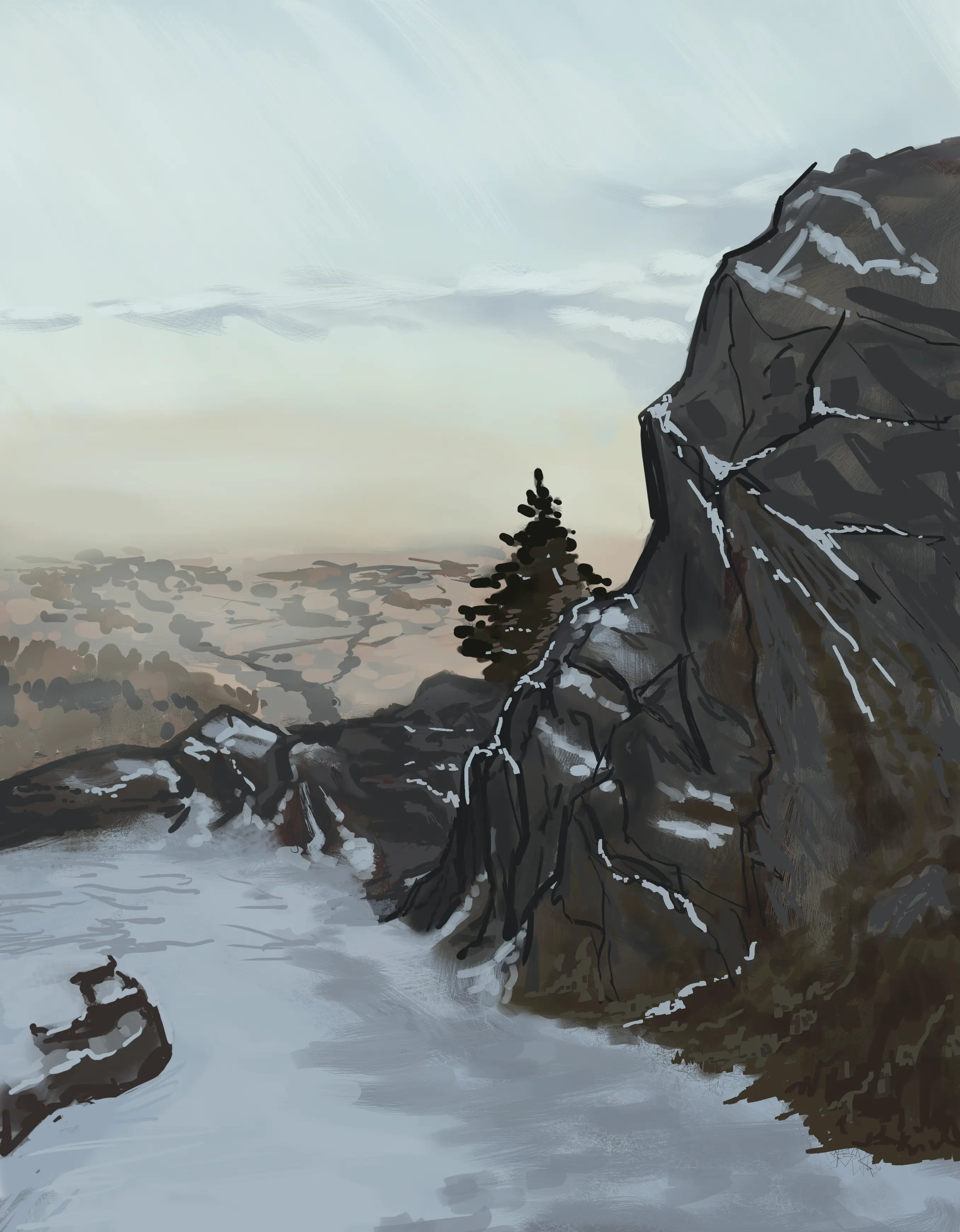
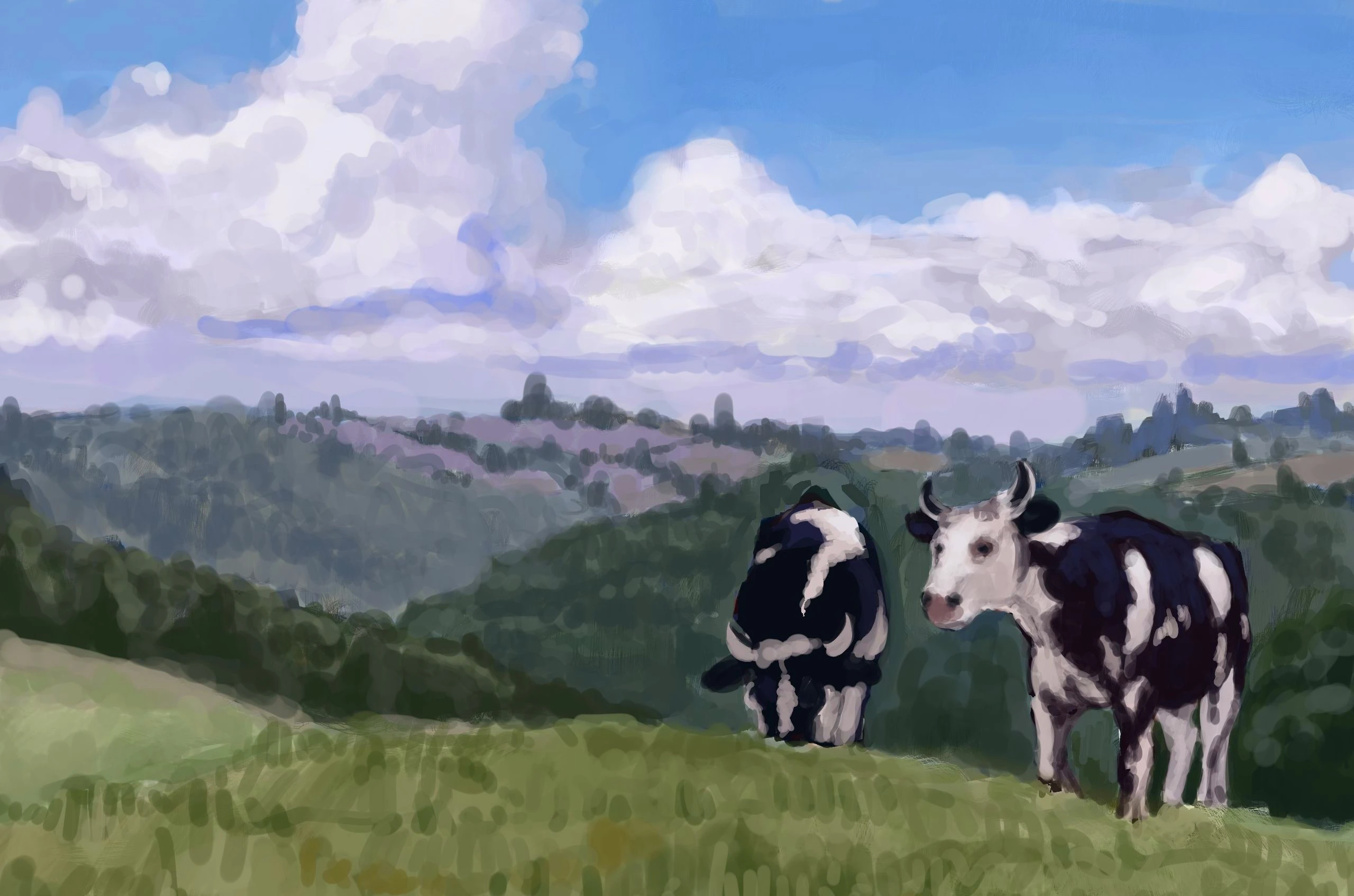
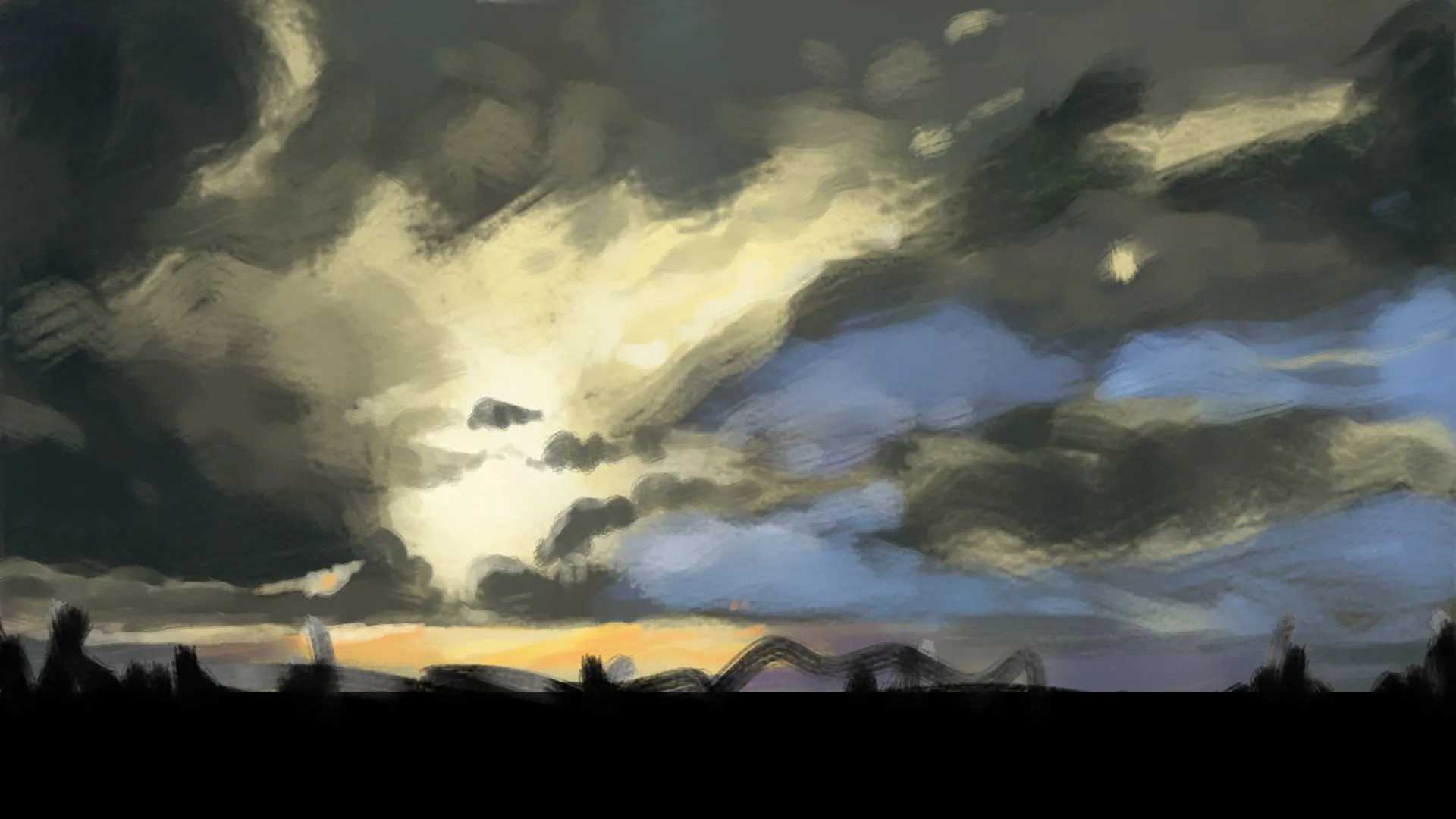
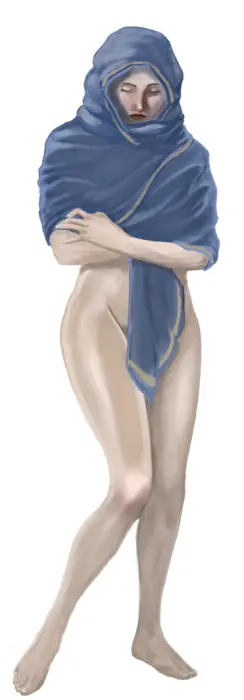
When looking for Krita tutorials, David Revoy is one of the leading voices, but he’s also an advocate for open tools in digital painting. He showed that you could make serious work with open tools, with some detailed reports on tablet drivers and color management that are crucial for a professional artist. It was still a small niche within the broader ‘digital painting community’, but it showed it was not just a potential; the path was open.
Krita introduced me to some of the unique features of digital painting, like painting with blending modes, curves manipulations, and gradient maps. Trying it out introduced me to new ways of thinking about colors that would have never came up with.
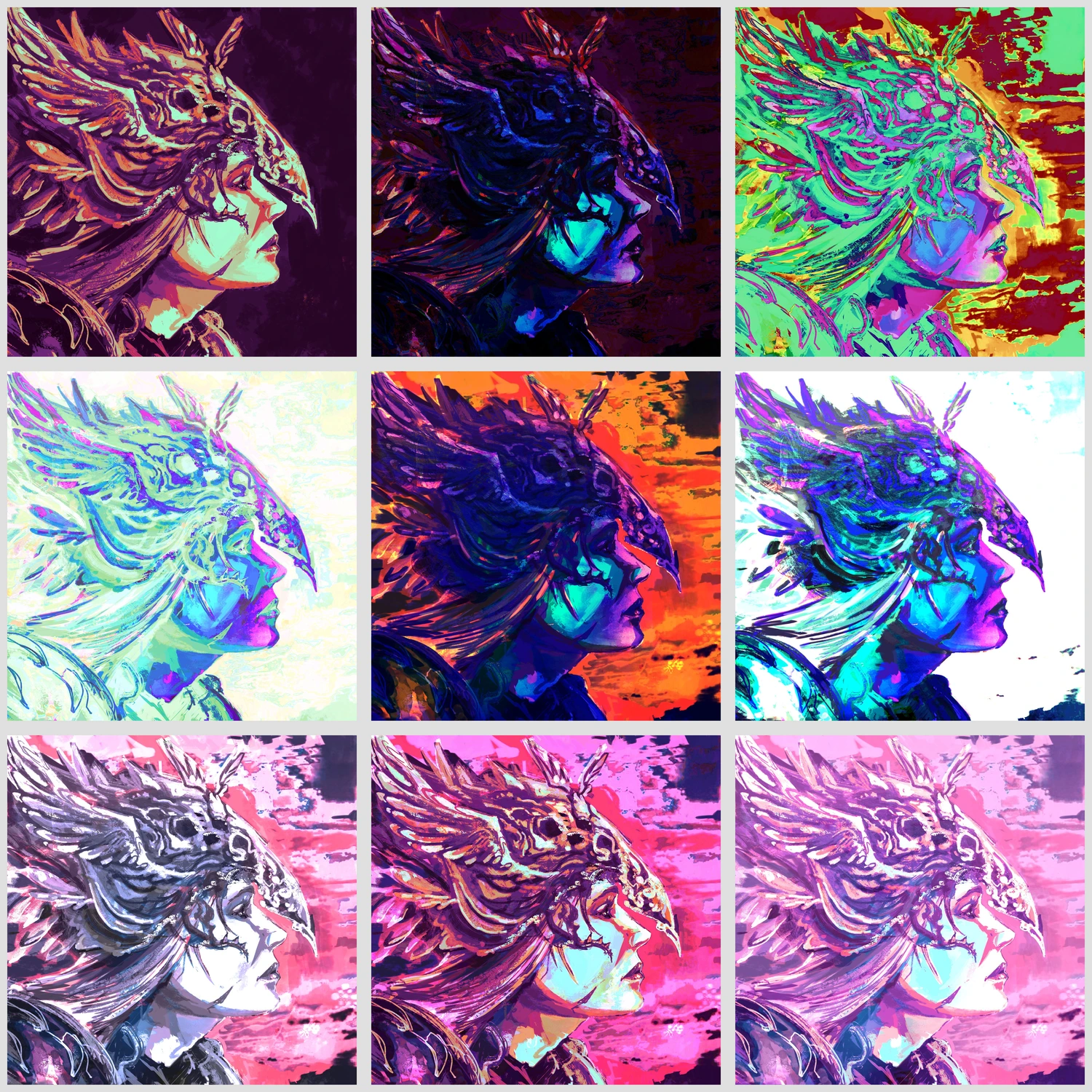
This openness of Krita integrated in the whole of Linux tools. For examples, its filters come from the G’Mic project. Because it is open, filters are not just blackboxes, but weird mathematics that you can modify to expand creative possibilities. When asked to help on a music video project, I could simply devise a pipeline to take a clip, process it frame by frame with advanced filters, and then re-encode it to create elaborate effects. All these different strands came together as a meaningful whole solving the problem in an elegant way.
Self-authored legitimacy
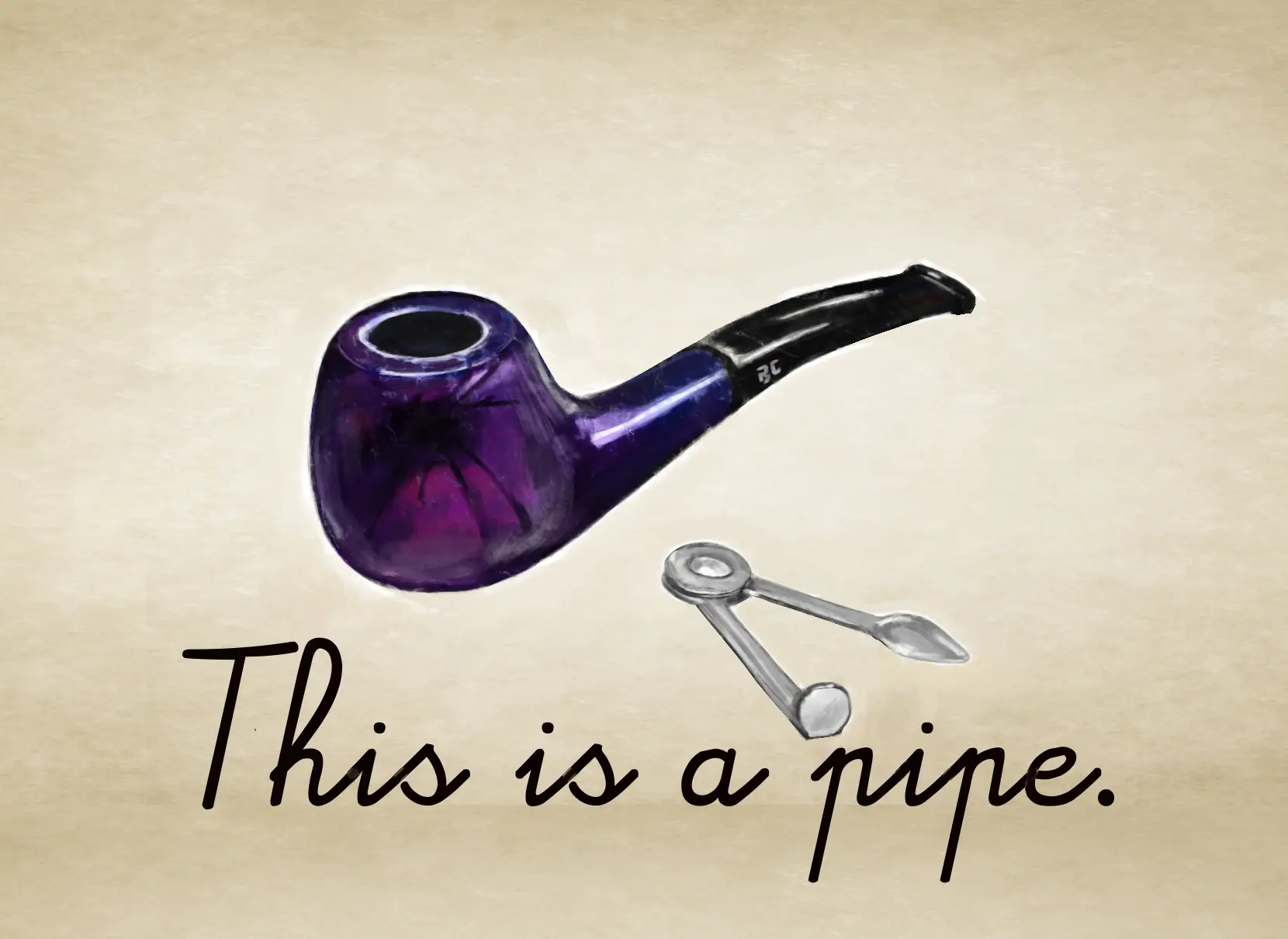
I inadvertently absorbed a lot of beliefs that are common in the creative community. Most of the people I met did not have a scientifically inclined mindset, so it was not surprising to me. But it often became a problem when people tried to impose these beliefs as absolute truths using toxic tactics, and I would unavoidably clash with them. The main barrier to overcome was psychological: you need to be confident in your own path in the face of degrading criticism. But that is also needed to be a creator.
The “you need to use X because it’s industry standard” argument is generally cargo-culting. What does matter in that regard is the ease of learning. The industry standard generally has the best pro-level tutorials, so it gets mistaken for the only serious path. Without that shared tool, you need to translate the tutorials from one software to another. But that also means you have to understand the underlying concepts, so you get a more holistic learning experience.
Krita was a game-changer; it made creation feel like a personal act, not a licensed one. I started charting a path of my own, ‘liberated’ in more than one sense. Together with the rest of the FLOSS world, it moved me from a consumer mindset to a creator mindset. It all sounds as easy as just to “be yourself”, but it really is “become who you truly are”.